Global Water Crisis: The Dawn of "Water Bankruptcy"
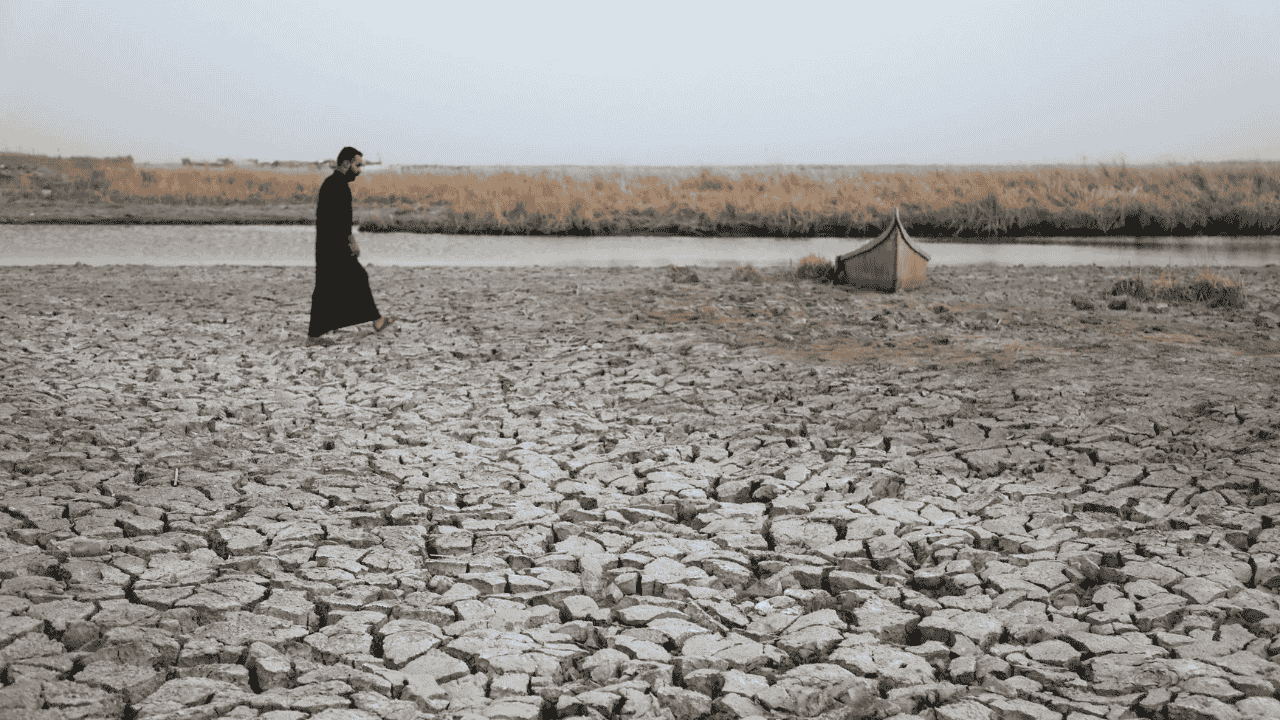
In January 2026, the United Nations released a watershed moment in environmental policy—a comprehensive report declaring that the world has entered an era of "global water bankruptcy." This stark terminology represents far more than a temporary crisis; it signals that many of the world's vital water systems have crossed irreversible thresholds and can no longer sustain current consumption patterns.
The report's central finding is sobering: half of the world's 100 largest cities are now experiencing severe water stress, with 39 cities facing extremely high water stress in regions where water demand dangerously approaches or exceeds available supply. This isn't speculation—it's a global reality demanding immediate policy attention and behavioral change.
Key Facts: The Scale of the Crisis
| Global Water Indicator | Current Status | Significance |
|---|---|---|
| People experiencing water scarcity | 4 billion annually | Nearly 50% of global population |
| Population in water-insecure nations | 75% globally | Majority live in vulnerable regions |
| Large lakes diminished (since 1990s) | 50%+ | Rapid ecosystem collapse |
| Groundwater storage in decline | 70% of major systems | Aquifers unsustainable |
| Wetlands lost (50 years) | European Union size area | Biodiversity extinction accelerating |
| Glacier decline (since 1970) | 30% | Natural water storage vanishing |
Cities Most Affected: Beijing, Delhi, Los Angeles, New York, and Rio de Janeiro. These urban centers represent 1.5 billion people and trillions in economic value—making water stress a geopolitical, economic, and humanitarian crisis.
India's Water Emergency: The North in Crisis
India faces the most acute water stress in Asia, particularly in northern regions. The analysis shows that Asia experiences the strongest drying trends globally, with northern India and Pakistan as epicenters of the crisis.
India's Top Water-Stressed Cities
| City | Global Rank | Water Stress Level | Key Challenge |
|---|---|---|---|
| Delhi | 4th globally | Extremely high | 190 million liter daily deficit |
| Kolkata | 9th | High | Recurring shortages |
| Mumbai | 12th | High | Monsoon-dependent supply |
| Bengaluru | 24th | High | Cauvery dispute, heat stress |
| Chennai | 29th | Extremely high | Nearing Day Zero (2019 crisis) |
Beyond major metros, Hyderabad, Ahmedabad, Surat, and Pune face chronic scarcity. NITI Aayog warns that 21 major Indian cities risk depleting groundwater reserves by 2030.
The Groundwater Over-Extraction Crisis
| State/City | Extraction Rate | Status |
|---|---|---|
| Punjab | 156% of annual recharge | Critical over-extraction |
| Rajasthan | 147% of annual recharge | Unsustainable depletion |
| Delhi | 90% of sustainable levels | Approaching danger zone |
| India (per capita availability) | 1,100 cubic meters | Below water stress threshold |
Global Cities Approaching "Day Zero"
The term "Day Zero" refers to the catastrophic moment when a city's municipal water supply is entirely depleted, forcing services to shut down and populations to rely on emergency supplies.
Chennai (India): In 2019, Chennai's reservoirs ran dry, affecting 9 million residents and forcing closures of hotels, restaurants, and businesses. The city continues to battle recurring drought conditions.
Tehran (Iran): Suffering from six consecutive years of drought, Tehran is nearing Day Zero. Iran's President warned the city may require complete evacuation if drying trends continue.
Cape Town (South Africa): The city approached Day Zero in 2018, implemented severe rationing, and narrowly averted complete water system collapse through emergency measures.
Kabul (Afghanistan): Faces the prospect of becoming the first modern city to completely exhaust its water supply.
Land Subsidence: Cities Literally Sinking
Excessive groundwater extraction causes catastrophic land subsidence. Cities literally sinking into the earth represent the physical manifestation of water bankruptcy:
| City | Annual Subsidence Rate | Implication |
|---|---|---|
| Mexico City | 20 inches (50 cm) annually | Neighborhoods sinking decades worth in years |
| Rafsanjan (Iran) | 30 cm annually | Infrastructure damage accelerating |
| Tulare (California) | 28 cm annually | Agricultural land becoming unusable |
| Jakarta, Manila, Lagos, Kabul | Severe subsidence | Regional instability emerging |
Mexico City's sinking illustrates the scale: neighborhoods that were level decades ago now show stark elevation differences. This subsidence damages infrastructure, worsens flooding vulnerability, and compounds water supply challenges.
The Root Causes: Poor Management Meets Climate Crisis
The crisis stems from two interconnected drivers:
1. Unsustainable Water Extraction
Humans consume water far faster than nature replenishes it. Rivers and major aquifer systems that fed civilizations for millennia are being drained in decades. Agriculture accounts for 80% of India's water consumption, yet irrigation infrastructure remains inefficient. Large-scale construction and industrial demand further strain finite water stocks.
2. Climate Change Amplification
Rising temperatures intensify the crisis through multiple mechanisms:
Glaciers melting at accelerated rates, eliminating natural water storage
Disrupted rainfall patterns reduce monsoon reliability
Increased evaporation from lakes and reservoirs
Extended dry seasons exacerbate existing scarcity
Heatwaves (45°C+ in Indian cities) accelerate demand spikes
As UN expert Kaveh Madani explains, the shift from "temporary crisis" language to "water bankruptcy" reflects a fundamental reality: "we cannot restore lost glaciers or reinflate depleted aquifers—we can only prevent further losses and redesign institutions to operate within new hydrological boundaries."
Rising Water Conflicts: A Geopolitical Time Bomb
Water scarcity breeds conflict. The trajectory is alarming:
Water Dispute Timeline:
2010: 20 documented water disputes
2024: 400+ water-related conflicts
Major river basins now intermittently dry before reaching the sea, creating interstate and international tensions:
Colorado River (USA): Arizona, Nevada, California locked in allocation disputes
Indus River (Pakistan): Afghanistan-Pakistan tensions over upstream flow reduction
Tigris-Euphrates (Middle East): Iraq, Syria, Turkey competing for scarcity
Yellow River (China): Inter-provincial conflicts over allocation
Economic and Social Implications
GDP and Economic Impact
The World Bank warns that unmanaged water stress could reduce regional GDPs by up to 6% by 2050 due to agricultural collapse, health impacts, and infrastructure damage.
Urban Inequality and Access
Water shortages disproportionately harm marginalized communities. Residents of low-income neighborhoods in Bengaluru and Chennai depend on costly private water tankers, exacerbating inequality.
Agricultural Collapse
35 million Indians lack access to safe water. Rural farmers unable to irrigate face crop failures and economic devastation, driving rural-to-urban migration and urban water stress. When agricultural productivity drops, food inflation accelerates, affecting urban consumers and destabilizing markets.
Migration and Displacement
UN Undersecretary General notes, "Water bankruptcy is increasingly fueling fragility, displacement, and conflict." Millions flee water-scarce regions, creating new urban pressures and regional instability. This dynamic has direct implications for neighboring countries and global migration policy.
Policy Solutions: What Needs to Change
The UN report calls for fundamental reset of global water governance:
1. Acknowledge Irreversible Loss
Governments must transition from crisis management to bankruptcy management, accepting that many regions cannot restore pre-scarcity conditions.
2. Redesign Agriculture and Industry
Shift to water-efficient crop varieties (drip irrigation, precision agriculture)
Implement circular economy principles in water-intensive industries
Reduce agricultural water withdrawal from 80% to sustainable levels
3. Strengthen Urban Infrastructure
Replace aging pipeline infrastructure (reducing non-revenue water loss)
Regulate groundwater extraction within recharge limits
Expand rainwater harvesting and water recycling systems
4. Establish Equitable Allocation Frameworks
Prioritize drinking water and sanitation over agricultural expansion
Protect environmental flows in rivers (minimum viable ecosystems)
Ensure fair access for vulnerable populations
5. Leverage Upcoming UN Milestones
The 2026 and 2028 UN Water Conferences, the conclusion of the Water Action Decade (2028), and the 2030 SDG deadline offer opportunities to reset the global water agenda.
Why This Matters for Your UPSC Exam Preparation
General Studies Paper I: Geography & Environment
Biodiversity and Conservation:
Water scarcity threatens ecosystems globally; you must understand which biomes are most vulnerable
Desert expansion, wetland loss, and river ecosystem collapse directly test GS-I competency
Case studies: Sundarbans (sea-level rise + freshwater invasion), Ramsar wetlands (India's List and threats)
Environmental Degradation:
Land subsidence as a consequence of aquifer depletion (Mexico City, Jakarta)
Desertification expansion in already-arid regions
Sinkholes and geomorphological changes
Climate Change & Water Systems:
Glacier retreat and its cascade effects on water-dependent regions
Monsoon disruption and agricultural vulnerability in India
Evapotranspiration changes due to rising temperatures
General Studies Paper III: Environment & Sustainable Development
Sustainable Development Goals:
SDG 6: Clean water and sanitation (directly aligned with this crisis)
SDG 13: Climate action (temperature-driven water stress)
SDG 2: Zero hunger (agricultural water dependency)
India-Specific Water Challenges:
Interstate Water Disputes: Kaveri, Yamuna, Krishna, Narmada agreements and conflicts
Groundwater Management: NITI Aayog groundwater extraction data; state-level overshoot
Government Schemes: Jal Shakti Ministry initiatives, National Mission for Clean Ganga, Pradhan Mantri Krishi Sinchayee Yojana
Exam Question Patterns & Expected Analysis
Likely Essay Topics:
"Water is the new oil. Critically analyze geopolitical and strategic implications of water scarcity in Asia."
"How can India balance agricultural productivity with groundwater sustainability?"
"What role should international frameworks play in managing transboundary water resources?"
"Discuss the intersection of climate change, water scarcity, migration, and internal security."
Case Study Opportunities:
Chennai's Day Zero (2019): What policy failures led to crisis? How effective were emergency responses (desalination, long-distance transport)?
Mexico City Subsidence: Link over-extraction, urban planning failures, and infrastructure damage
Colorado River Crisis: Interstate competition, dam management, climate adaptation in developed nations
Kabul Water Collapse: Geopolitical implications for Afghan stability and regional refugee flows
Analytical Framework:
Examiners expect candidates to recognize that water scarcity is fundamentally a governance and distribution problem—not merely a physical scarcity issue. Technical solutions (desalination, recycling, dams) are necessary but insufficient without institutional reform, equitable allocation frameworks, and political will.
Key Retention Points for Quick Revision
| Concept | Key Data | Exam Relevance |
|---|---|---|
| Cities in water stress | 50 of world's 100 largest | Global impacts, India's position |
| Affected population | 4 billion annually | Scale of humanitarian crisis |
| India's most stressed cities | Delhi (4th), Chennai (29th) | National case studies |
| Groundwater extraction (Punjab) | 156% of recharge | Unsustainability of current model |
| Land subsidence (Mexico City) | 20 inches/year | Physical manifestation, infrastructure risk |
| Water conflicts growth | 20 (2010) → 400+ (2024) | Geopolitical escalation |
| Glacial decline | 30% since 1970 | Climate change impacts |
| Wetland loss (50 years) | EU-sized area | Biodiversity collapse |
Conclusion
The UN's declaration of "global water bankruptcy" represents a semantic and policy turning point. Water scarcity is no longer a regional or temporary crisis—it is a structural, irreversible global reality affecting 4 billion people and half the world's largest cities. India's position, with five of the world's most stressed cities and over-extraction exceeding 150% of sustainable levels in northern states, places it at the epicenter of this global challenge.
For UPSC aspirants, understanding this crisis demands integrating geography, climate science, environmental policy, geopolitics, and governance into a coherent analytical framework. This article provides the foundational data and narrative structure necessary to answer exam questions with the depth and nuance that distinguish high-scoring candidates.