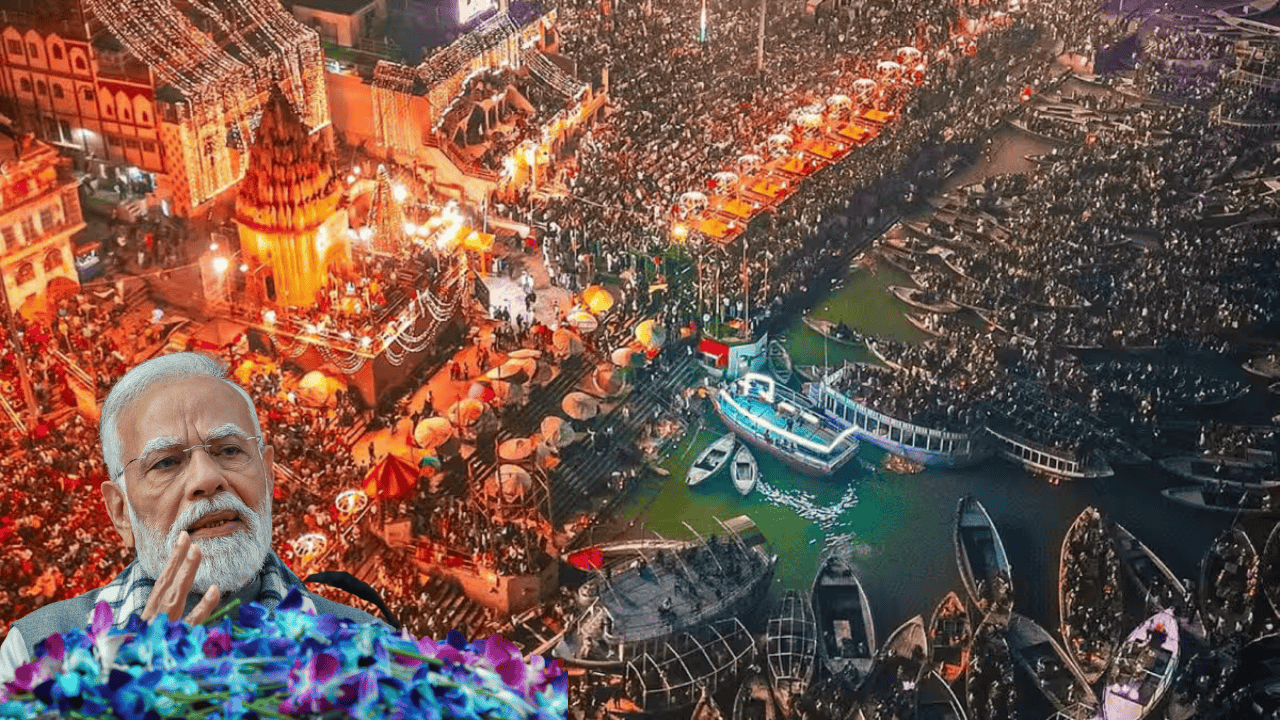
Introduction: A Landmark Recognition for India's Festival of Lights
In a moment of significant cultural pride for India, Deepavali (Diwali) — the festival of lights celebrated across the nation and by millions in the Indian diaspora worldwide — has been officially inscribed on UNESCO's Representative List of the Intangible Cultural Heritage of Humanity. This historic decision was announced on Wednesday during the 20th session of the Intergovernmental Committee for the Safeguarding of the Intangible Cultural Heritage (ICH), being held at the iconic Red Fort in Delhi from December 8-13, 2025.
Prime Minister Narendra Modi hailed this achievement, stating that "people in India and around the world are thrilled," emphasizing that Deepavali is "very closely linked to our culture and ethos" and represents "the soul of our civilisation."
What is UNESCO's Intangible Cultural Heritage List?
Understanding the Significance
The UNESCO Intangible Cultural Heritage (ICH) List is a prestigious international recognition established under the 2003 Convention for the Safeguarding of the Intangible Cultural Heritage. It acknowledges and preserves unique cultural practices, traditions, and expressions that communities consider essential to their identity.
The Intergovernmental Committee that oversees this initiative:
Advances the objectives of the 2003 Convention
Ensures effective implementation across member states
Offers guidance on best practices
Recommends safeguarding measures
Mobilises resources for the Intangible Cultural Heritage Fund
This recognition is not merely ceremonial—it brings global visibility, encourages preservation efforts, and strengthens cultural continuity across generations.
India's Growing Presence on UNESCO's ICH List
The Complete Picture
With the inscription of Deepavali, India now has 16 elements on UNESCO's Representative List of the Intangible Cultural Heritage of Humanity. This makes India one of the countries with the most recognized intangible cultural elements globally, reflecting the nation's rich and diverse heritage.
India's 16 UNESCO-inscribed Intangible Cultural Heritage elements include:
Deepavali (Diwali) — The festival of lights (newly inscribed, December 2025)
Kumbh Mela — The world's largest pilgrimage gathering
Durga Puja of Kolkata — The iconic festival of West Bengal
Garba dance of Gujarat — Traditional circular dance form
Yoga — Ancient system of physical and spiritual practice
Vedic chanting tradition — The oral recitation of ancient Sanskrit texts
Ramlila — Traditional performance art depicting the Ramayana
Ramman festival of Himachal Pradesh
Navruz celebration
Chhau dance
Jemma: The traditional Dhikr circle of Bahrain (shared heritage)
Nawrouz (shared with multiple countries)
Kabuki (shared)
And others
This expanding list underscores India's commitment to preserving its cultural wealth on the global stage.
The Deepavali Nomination Process: A Collaborative Effort
How India Secured This Recognition
The nomination of Deepavali was a meticulously planned and community-driven process, demonstrating India's structured approach to heritage preservation:
Key aspects of the nomination process:
Diverse community engagement — Input from communities across India representing the pan-India reach of Diwali celebrations
Formal documentation — Consent letters, testimonials, and evidence in written, audio, and audiovisual formats
Expert committee formation — Sangeet Natak Akademi (the Ministry of Culture's nodal agency for ICH matters) established a specialized committee comprising:
Heritage experts
Academicians
Practitioners
Poets and writers
Regional representatives ensuring all-India perspective
Diaspora representation — The pitch emphasized Diwali's significance to the Indian diaspora globally
Comprehensive documentation — Detailed dossier highlighting cultural, social, and spiritual dimensions
This rigorous process ensured that the nomination authentically represented Deepavali's importance to Indian civilization and its universal appeal.
What Does UNESCO's Inscription Mean for India?
The Broader Implications
The inscription of Deepavali carries multifaceted significance:
1. Cultural Preservation and Documentation
Ensures systematic documentation and safeguarding of the festival's traditions
Creates a framework for transmitting knowledge to future generations
Strengthens cultural continuity in an increasingly globalized world
2. Global Recognition and Soft Power
Elevates India's cultural standing on the international stage
Promotes India's civilizational values globally
Enhances the country's soft power and diplomatic influence
3. Support for Practitioners
Mobilizes international resources through the Intangible Cultural Heritage Fund
Provides platforms for knowledge exchange among practitioners
Encourages sustainable preservation practices
4. Economic and Tourism Benefits
Potential increase in cultural tourism
Enhanced interest in Indian traditions and heritage
Opportunities for communities to benefit economically from cultural preservation
The Historic Hosting: India's First Time as Host
A Milestone for the Nation
The 20th session of the Intergovernmental Committee is particularly significant because this is the first time India is hosting this prestigious international forum. The event runs from December 8-13, 2025, at the Red Fort in Delhi—a location symbolically fitting for celebrating India's heritage preservation efforts.
Key figures at the inaugural ceremony (December 8, 2025):
External Affairs Minister S. Jaishankar — Formally opened the session, emphasizing that traditions, languages, music, and craftsmanship are "the most democratic expression of culture"
Union Minister Gajendra Singh Shekhawat
UNESCO Director-General Khaled El-Enany
Delhi Chief Minister Rekha Gupta
India's Ambassador to UNESCO Vishal V Sharma
Scale of participation:
Over 1,000 delegates expected
Representatives from over 180 countries
Committee members, UNESCO officials, experts, accredited NGOs, and cultural practitioners
This global assembly underscores the importance of India's hosting role in the international heritage preservation discourse.
PM Modi's Statement and Government Perspective
Policy Significance
Prime Minister Narendra Modi's official statement on the inscription highlights the government's perspective:
Key quote from PM Modi's X post:
"For us, Deepavali is very closely linked to our culture and ethos. It is the soul of our civilisation. It personifies illumination and righteousness. The addition of Deepavali to the UNESCO Intangible Heritage List will contribute to the festival's global popularity even further."
This statement reflects:
Recognition of Deepavali as fundamental to Indian identity
Emphasis on its symbolic meanings (illumination and righteousness)
Commitment to global cultural outreach
Support for diaspora communities
Future Outlook: Chhath Puja's Nomination
Next Step in India's UNESCO Journey
Looking ahead, the Indian government has prepared for the next nomination cycle. Bihar's Chhath Puja has been nominated for UNESCO's Intangible Cultural Heritage consideration, continuing India's effort to globally recognize diverse regional traditions.
This sequential approach—with Durga Puja (inscribed in 2024), followed by Deepavali (inscribed in December 2025), and now Chhath Puja in nomination—demonstrates a strategic, sustained commitment to heritage preservation.
Why This Matters for Your Exam Preparation
UPSC and Competitive Exam Relevance
Understanding this development is crucial for UPSC aspirants and competitive exam candidates for multiple reasons:
1. General Studies (Culture and Heritage) — GS Paper I
Intangible Cultural Heritage concepts — Increasingly featured in UPSC mains questions
UNESCO conventions and mechanisms — Direct relevance to questions on international cultural organizations
Indian cultural diversity — Essential for questions about regional cultures, festivals, and traditions
Heritage preservation frameworks — Part of broader cultural studies syllabus
2. General Knowledge for Prelims
UNESCO-related facts and India's inscribed elements
Key government agencies (Sangeet Natak Akademi) and their roles
Important international conventions (2003 UNESCO Convention)
3. Conceptual Understanding
Difference between tangible and intangible cultural heritage
How nomination processes work for international recognition
The role of grassroots community participation in heritage preservation
Connection between culture and nation-building
4. Current Affairs Integration
Recent government initiatives in cultural preservation
India's diplomatic role in international forums
Relevance of hosting UNESCO events in India
Timeline of India's ICH inscriptions (Kumbh Mela, Durga Puja, Yoga, Vedic chanting, etc.)
5. Essay and Ethics Paper Relevance
Questions on preserving cultural heritage in modern times
The balance between globalization and cultural preservation
Role of government, communities, and international bodies in heritage protection
Significance of festivals in strengthening national unity and identity
6. Interview Preparation (Personality Test)
Understanding India's soft power through culture
Government's vision for preserving civilization heritage
Aspirant's perspective on cultural preservation and national identity
Key Takeaways for Exam Success
Remember these points for your UPSC preparation:
Deepavali is India's 16th UNESCO Intangible Cultural Heritage element
The inscription was decided at the 20th session of the Intergovernmental Committee (December 2025)
The session is being hosted at the Red Fort, Delhi — India's first time hosting this event
The nomination involved Sangeet Natak Akademi as the nodal agency
The 2003 UNESCO Convention forms the legal framework for ICH recognition
India's ICH list includes diverse elements reflecting regional and pan-India traditions
Chhath Puja (Bihar) is the next nomination being considered
Conclusion
The inscription of Deepavali on UNESCO's Intangible Cultural Heritage List represents far more than ceremonial recognition—it is a validation of India's civilizational values, a commitment to cultural preservation, and a powerful assertion of India's soft power on the global stage. For UPSC aspirants, this development offers rich material for examination preparation across multiple papers and provides insights into how government policies, cultural initiatives, and international diplomacy intersect.
Stay updated with Atharva Examwise for comprehensive, exam-focused coverage of current affairs that matter for your competitive exam success.