World Wetland Day 2026: Wetlands & Traditional Knowledge for UPSC Exam Success
H1: World Wetland Day 2026 Current Affairs: Complete UPSC Guide for Competitive Exams
H2: What is World Wetland Day? (2026 Theme & Significance)
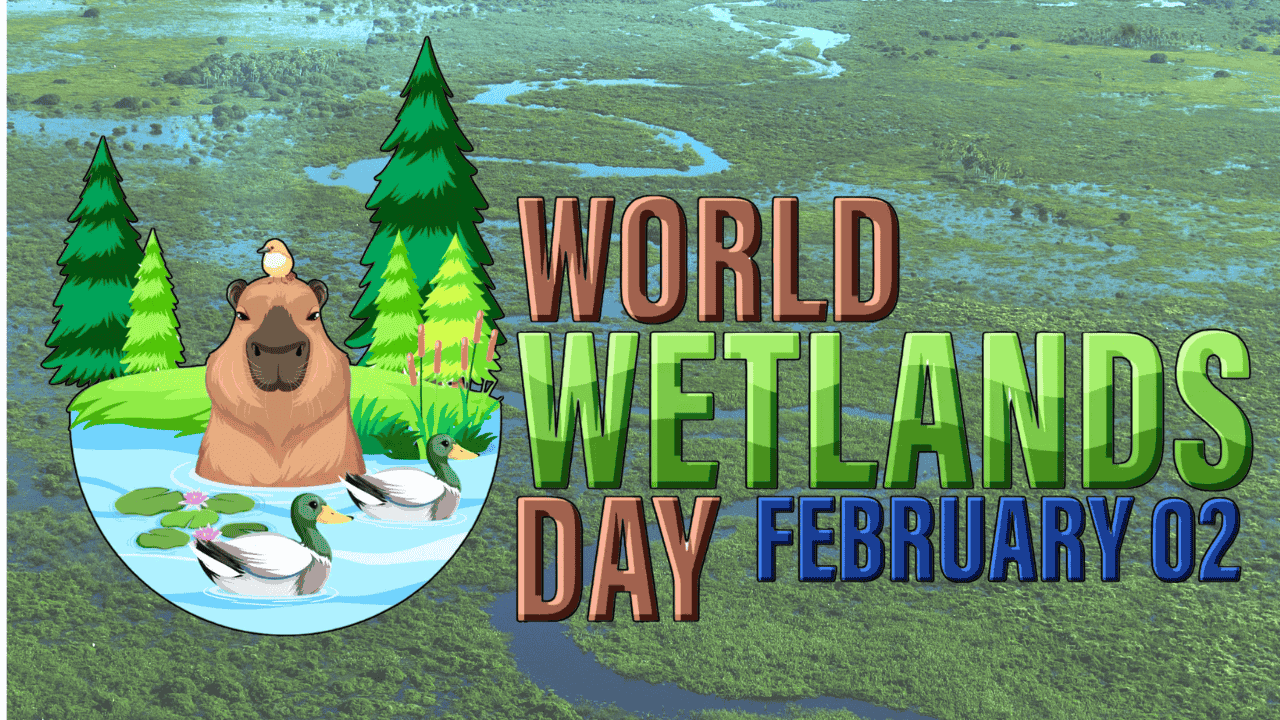
World Wetland Day is a global awareness campaign celebrated every year on February 2 to recognize the vital importance of wetlands for people, biodiversity, and planetary health. This date commemorates the adoption of the Ramsar Convention on Wetlands on February 2, 1971, in the Iranian city of Ramsar—an international treaty that has become the cornerstone of global wetland conservation efforts.
In 2021, the United Nations General Assembly officially recognized World Wetland Day through Resolution 75/317, elevating it to an official UN observance. This global campaign unites governments, organizations, communities, and individuals in a collective mission to protect Earth's most threatened ecosystems.
The 2026 Theme: "Wetlands and Traditional Knowledge: Celebrating Cultural Heritage"
The 2026 theme spotlights a often-overlooked dimension of wetland conservation: the timeless role of traditional and indigenous knowledge in sustaining wetland ecosystems and preserving cultural identity. This theme emphasizes how indigenous peoples and local communities have lived in harmony with wetlands for centuries, developing deep-rooted connections and sustainable management practices that modern conservation can learn from.
H2: India's Wetland Leadership: 98 Ramsar Sites & Growing
As of February 2026, India is home to 98 Ramsar sites, covering over 1.36 million hectares of ecologically vital wetlands. This achievement places India as:
First in Asia in the number of designated Ramsar sites
Third globally (after Iran and Australia) in Ramsar site count
A global leader in wetland conservation and biodiversity protection
India's Ramsar Sites by State (Top Contributors):
| State | Number of Sites | Notable Wetlands |
|---|---|---|
| Tamil Nadu | 20 (highest) | Gulf of Mannar, Vedanthangal Bird Sanctuary, Pichavaram Mangrove |
| Punjab | 6 | Harike Wetland, Kanjli Wetland, Ropar Wetland |
| Uttar Pradesh | 6 | Patna Bird Sanctuary, Bakhira Sanctuary, Nawabganj Bird Sanctuary |
| Odisha | 6 | Chilika Lake, Bhitarkanika Mangroves, Ansupa Lake |
| Bihar | 6 | Kanwar Lake, Gogabeel Lake, Gokul Reservoir |
| Rajasthan | 5 | Keoladeo National Park, Sambhar Lake, Khichan Wetland |
Latest Additions (February 2026): Patna Bird Sanctuary (Uttar Pradesh) and Chhari-Dhand (Gujarat) were recently designated, taking the national tally from 96 to 98 Ramsar sites.
The Tso Moriri in Ladakh holds a unique distinction as the world's highest Ramsar wetland at 4,595 meters, showcasing India's wetland diversity from alpine to coastal zones.
H2: Ecological Importance: Why Wetlands Matter (UPSC GS3 Focus)
Wetlands are among Earth's most productive and biodiverse ecosystems. Despite covering only about 6% of Earth's land surface, 40% of all plant and animal species live or breed in wetlands. This disproportionate biodiversity makes them indispensable for ecological stability and human survival.
Key Ecological Functions of Wetlands:
Biodiversity Support: Cradles of biological diversity hosting fish, birds, reptiles, amphibians, and countless plant species
Water Purification: Natural filters that remove pollutants and improve water quality
Flood Regulation: Act as natural sponges, absorbing excess water and protecting communities from flooding
Carbon Storage (Blue Carbon): Mangroves and peatlands sequester 4 times more carbon dioxide than rainforests, making them critical climate warriors
Groundwater Recharge: Maintain freshwater supplies essential for drinking and agriculture
Coastal Protection: Mangrove ecosystems shield millions from cyclones and coastal erosion (e.g., Sundarbans)
Livelihood Support: Support fisheries, agriculture, and tourism that sustain millions globally
India's Blue Carbon Champions: The Sundarbans mangrove ecosystem alone offsets 1.5% of India's annual carbon emissions, demonstrating the climate mitigation potential of intact wetlands.
H2: Global & Indian Wetland Loss Crisis
The wetland conservation crisis demands urgent action. The statistics are sobering:
90% of world's wetlands degraded since the 1700s
64% of global wetlands disappeared since the beginning of the 20th century
Wetlands disappearing 3 times faster than forests
Over 50% of wetlands lost since 1900 due to human activities
This rapid degradation represents a catastrophic loss of ecosystem services, biodiversity, and climate regulation capacity that humanity can ill afford as global warming accelerates.
H2: Case Study: India's Flagship Wetland Conservation Success Stories
1. Chilika Lake (Odisha) – Asia's Largest Brackish Water Lagoon
Significance & Biodiversity:
Asia's largest brackish water lagoon spanning 1,165 sq km during monsoon season
Shrinks to 900 sq km in summer, reflecting natural hydrological cycles
Supports 1.2 million migratory birds annually, making it a critical stopover for trans-Asian migratory routes
Home to unique ecotone habitats (freshwater-marine transitions) supporting endangered species
Sustains livelihoods of 0.2 million fisherfolk living in surrounding communities
Conservation Milestone – Removal from Montreux Record (2003):
In 1993, Chilika was placed on the Montreux Record (Ramsar's list of wetlands under threat) due to severe siltation, altered salinity levels, and ecosystem degradation. The Chilika Development Authority (CDA), established in 1992, implemented transformative restoration measures, including:
Opening a new mouth through the barrier beach in 2000 to restore natural water flows
Balancing freshwater-saline water ratios critical for biodiversity
Removing Chilika from the Montreux Record in 2003—a landmark achievement in Indian conservation
Current Challenges: Climate change, invasive species proliferation, cyclone impacts, and inter-state water disputes continue to threaten this vital ecosystem.
2. East Kolkata Wetlands (West Bengal) – The World's Largest Wastewater-Fed Aquaculture System
Unique Characteristics:
Spans 12,500 hectares across South and North 24 Parganas districts
World's only large-scale wastewater-fed aquaculture system—treating sewage while producing food
Houses 254 sewage-fed fisheries (bheris) and agricultural plots demonstrating circular economy principles
Supports 40+ bird species, including migratory waterbirds, alongside 104 plant species and 52 endemic fish varieties
Provides cost-efficient, eco-friendly wastewater treatment for Kolkata's 0.5 million inhabitants
Ecosystem Services:
Natural wastewater treatment through algal and plankton growth
Fish and aquaculture productivity without chemical inputs
Carbon sequestration and climate regulation
Habitat for threatened biodiversity
Threats: Loss of mangrove vegetation, invasive fish species, altered hydrological regimes, and land-use changes have resulted in the local extinction of 109 bird species, primarily aquatic birds.
3. Bhoj Wetland (Madhya Pradesh) – Historic Conservation of Twin Lakes
Historical & Ecological Significance:
Located in Bhopal, consisting of two human-made reservoirs: Upper Lake (Bhojtal) and Lower Lake (Chhota Talaab)
Upper Lake created in the 11th century by King Bhoj through construction of an earthen dam—making it one of India's oldest large-scale water management structures
31 sq km area of Upper Lake; 1.29 sq km Lower Lake
Designated as a Ramsar site in August 2002
Home to 700+ flora species (zooplankton, phytoplankton, macrophytes) and diverse fauna including turtles, amphibians, and aquatic invertebrates
Major source of potable water for Bhopal city
Conservation Challenges: The lake faces chronic pollution from urban catchment runoff, sewage inflow, invasive aquatic plants (water hyacinth), and eutrophication despite restoration efforts like the 1989 "Sarovar Hamari Dharohar" (Lakes are Our Heritage) initiative.
H2: Threats to India's Wetlands: Current Challenges for 2026
Anthropogenic (Human-Induced) Pressures:
| Threat | Impact | Example |
|---|---|---|
| Urbanization & Encroachment | Loss of wetland area, habitat fragmentation | Bengaluru's seasonal wetlands threatened by urban expansion |
| Agricultural Expansion | Drainage for farming, nutrient runoff | Wetlands drained for paddy cultivation |
| Industrial Pollution | Water quality degradation, toxin bioaccumulation | Gujarat's Narmada Estuary fisheries decimated by shipyard effluents (80% catch decline) |
| Infrastructure Development | Hydrological disruption, habitat loss | Dams upstream reducing freshwater inflow (Chilika) |
| Invasive Species | Native biodiversity loss, ecosystem disruption | Water hyacinth covering 40% of Loktak Lake, reducing fish yield by 30% |
Climate Change & Environmental Factors:
Rising Temperatures alter wetland hydrology and phenology (breeding/migration cycles)
Altered Precipitation Patterns reduce seasonal water availability
Sea Level Rise threatens coastal wetlands: Sundarbans lost 5.5% of mangroves (2000–2020)
Cyclones & Extreme Weather degrade wetland ecosystems and affect communities (e.g., Cyclone Fani opening new mouths in Chilika in 2019)
Microplastic Pollution (e.g., 12,000 particles/kg sediment in Vembanad Lake, Tamil Nadu)
Governance & Implementation Gaps:
Only 20% of the Wetlands Rules, 2017 are enforced, indicating weak regulatory compliance and limited capacity at state and local levels.
H2: India's Wetland Conservation Framework: Policy & Programs
1. National Wetland Conservation Programme (NWCP) – Established 1987
Launched by India's Ministry of Environment, Forest, and Climate Change, the NWCP is a comprehensive initiative covering:
500+ wetlands through baseline data collection and rapid assessment
Wetland management planning and restoration strategies
Stakeholder engagement with local communities, state governments, and NGOs
Scientific monitoring of wetland health and biodiversity trends
2. Wetlands (Conservation and Management) Rules 2010 & 2017
These rules established a legal framework for wetland protection:
State Wetland Authorities (SWA) responsible for identification, assessment, and management
Prohibition of conversion of wetlands for non-wetland uses
Regulation of activities likely to degrade wetlands (pollution, encroachment, etc.)
Wetland classification excluding river channels and paddy fields from protective definitions
3. Integration with National Missions
Namami Gange (2021): Links wetland conservation with river rejuvenation, developing "health cards" and management plans for 500+ wetlands along the Ganga
National Wildlife Action Plan (2017–2031): Prioritizes wetland conservation for biodiversity and ecosystem services
UN Decade on Ecosystem Restoration: Emphasizes wetland restoration as a priority for climate resilience and biodiversity recovery
H2: Traditional Knowledge & Indigenous Practices in Wetland Conservation
The 2026 World Wetland Day theme elevates the crucial role of traditional ecological knowledge (TEK) in wetland management—knowledge systems developed over centuries by indigenous communities and local populations.
How Indigenous Communities Manage Wetlands Sustainably:
1. Traditional Agricultural Practices
Crop diversification suited to seasonal water availability
Organic farming and natural pest management (herbal extracts, manual weeding)
Water management strategies adapted to wetland environments without chemical inputs
Crop rotation preventing soil depletion and maintaining fertility
2. Sustainable Fishing Practices
Indigenous fishing techniques that minimize ecosystem disruption
Community-based resource harvesting under expert supervision
Seasonal restrictions on fishing, allowing species regeneration
Traditional knowledge of fish behavior and breeding cycles
3. Plant Knowledge & Habitat Restoration
Traditional use of wetland plants for habitat restoration and erosion control
Medicinal plant cultivation and sustainable harvesting
Knowledge of native species and their ecological roles
Use of indigenous plants for water purification and wastewater treatment
4. Water Management & Hydrological Knowledge
Understanding of seasonal wetland flooding and water cycles
Traditional irrigation techniques maintaining sustainable water use
Knowledge of groundwater recharge patterns and seasonal water availability
Historical understanding of optimal water management for diverse uses
Global Examples of Traditional Knowledge Success:
Skolt Sámi Communities (Arctic): Traditional knowledge guided peatland restoration in Finland, restoring carbon sink functionality through rewetting and natural water flow restoration
Indigenous Wetland Managers (Africa & Asia): Centuries-old practices of water regulation, vegetation management, and resource harvesting sustain ecosystems while supporting livelihoods
Integration into Modern Conservation:
Recognizing and integrating traditional practices into conservation policies represents a paradigm shift—moving from top-down, Western-centric approaches to collaborative, community-centered management that honors cultural and spiritual values while achieving ecological sustainability.
H2: UPSC Exam-Specific Questions: Wetland Topics & Expected Questions
GS Paper 3 Coverage: Environment & Ecology
Wetland conservation is a recurring theme in UPSC mains, particularly under:
Topic 3: Conservation, environmental pollution and degradation, environmental impact assessment
Topic 8: Biodiversity, animal welfare, zoonotic diseases
Topic 12: Infrastructure development affecting the environment
Likely UPSC Questions (Based on 2026 Theme):
Discuss the role of traditional knowledge systems in wetland conservation. How can indigenous practices inform modern conservation strategies? (Potential Mains Essay)
Evaluate India's progress in wetland conservation under the Ramsar Convention. What are the remaining challenges? (10-mark Mains answer)
Assess the ecological and economic services provided by wetlands. Why are they disappearing faster than forests? (8-10 mark question)
Case Study Analysis: Chilika Lake's removal from the Montreux Record—lessons in wetland restoration for India
Prelims MCQ Potential:
Number of Ramsar sites in India as of February 2026
Theme of World Wetland Day 2026
Countries with highest number of Ramsar sites (global ranking)
Significance of the date February 2 (adoption of Ramsar Convention 1971)
H2: Why This Matters for Your Exam Preparation
Relevance for UPSC Mains:
1. Environment & Sustainable Development (GS3)
Wetland conservation directly aligns with Sustainable Development Goal (SDG) 6 (Clean Water) and SDG 15 (Life on Land)
Understanding ecosystem services ties into climate change mitigation and adaptation strategies—a high-priority UPSC topic
Traditional knowledge systems represent an emerging theme in UPSC current affairs, reflecting UN and global focus
2. Governance & Policy Implementation
Wetlands Rules 2017 and State Wetland Authorities showcase India's institutional framework for environmental governance—a key Mains concept
Inter-state water disputes (e.g., Chilika's freshwater flows affected by upstream dams) relate to Indian federalism and dispute resolution
Implementation gaps (only 20% of rules enforced) exemplify broader governance challenges in India
3. Biodiversity & Conservation Strategy
Ramsar Convention and India's expanding Ramsar network demonstrate commitment to international environmental agreements
Case studies of success (Chilika Lake restoration) and challenges (invasive species, climate change impacts) provide rich examination material
Blue carbon ecosystems (mangroves sequestering 4x more CO₂ than rainforests) are crucial for climate change discussions
4. Contemporary & Thematic Relevance
The 2026 theme on "Traditional Knowledge" aligns with UPSC's increasing emphasis on indigenous wisdom, community participation, and culturally-sensitive development
Appears in Interview questions exploring governance philosophies, community participation, and sustainable development models
Connects to Scheduled Tribe policies, forest rights, and indigenous land management (relevant for Ethics and Governance papers)
Strategic Study Approach for UPSC Aspirants:
Create Concept Sheets: Map wetland types (marshes, mangroves, estuaries), ecological functions, threats, and conservation strategies
Case Study Mastery: Deep-dive into 3-4 wetlands (Chilika, East Kolkata, Bhoj, Sundarbans). Know their ecological significance, conservation status, and lessons
Policy Awareness: Study Wetlands Rules 2017, Ramsar Convention mechanisms, and integration with broader environmental schemes (Namami Gange, National Wildlife Action Plan)
Data Retention: Memorize key statistics (98 Ramsar sites, 1.36 million hectares, 90% global wetland degradation, 3x faster loss than forests)
Current Affairs Connection: Link World Wetland Day 2026 theme to ongoing discussions on community participation, traditional knowledge, and SDGs
Answer Writing Practice: Write concise, structured answers on wetland conservation, ecosystem services, and traditional knowledge integration
Key Takeaway for Exam Success
World Wetland Day 2026 offers a comprehensive, high-priority current affairs topic that touches UPSC's core themes: environmental governance, biodiversity, climate action, sustainable development, and community participation. By mastering India's wetland conservation landscape—from the historic Ramsar Convention to modern governance frameworks and traditional knowledge systems—aspirants can address multiple UPSC questions from different angles while demonstrating a nuanced understanding of holistic, sustainable development models that modern India aspires toward.