India Assumes Kimberley Process Chairmanship 2026: Conflict Diamonds, UPSC GK & Current Affairs Explained
Article Body:
What is the Kimberley Process and Why Does it Matter?
India has been selected to assume the chairmanship of the Kimberley Process (KP) effective January 1, 2026—a significant international responsibility it will shoulder for the third time. This tripartite global initiative brings together governments, the international diamond industry, and civil society organizations to achieve a singular objective: preventing the trade in conflict diamonds, commonly known as "blood diamonds" or "war diamonds."
The Kimberley Process Certification Scheme (KPCS) is not merely an administrative framework; it represents a coordinated international effort to ensure that diamonds sold in legitimate markets have not financed armed conflicts, human rights abuses, or rebel movements seeking to undermine sovereign governments. As an aspirant preparing for UPSC and competitive exams, understanding this mechanism is critical—it frequently appears in Current Affairs sections, General Studies (GS) I & II, and even Essays on global governance and ethics.
Understanding Conflict Diamonds: Definition and Historical Context
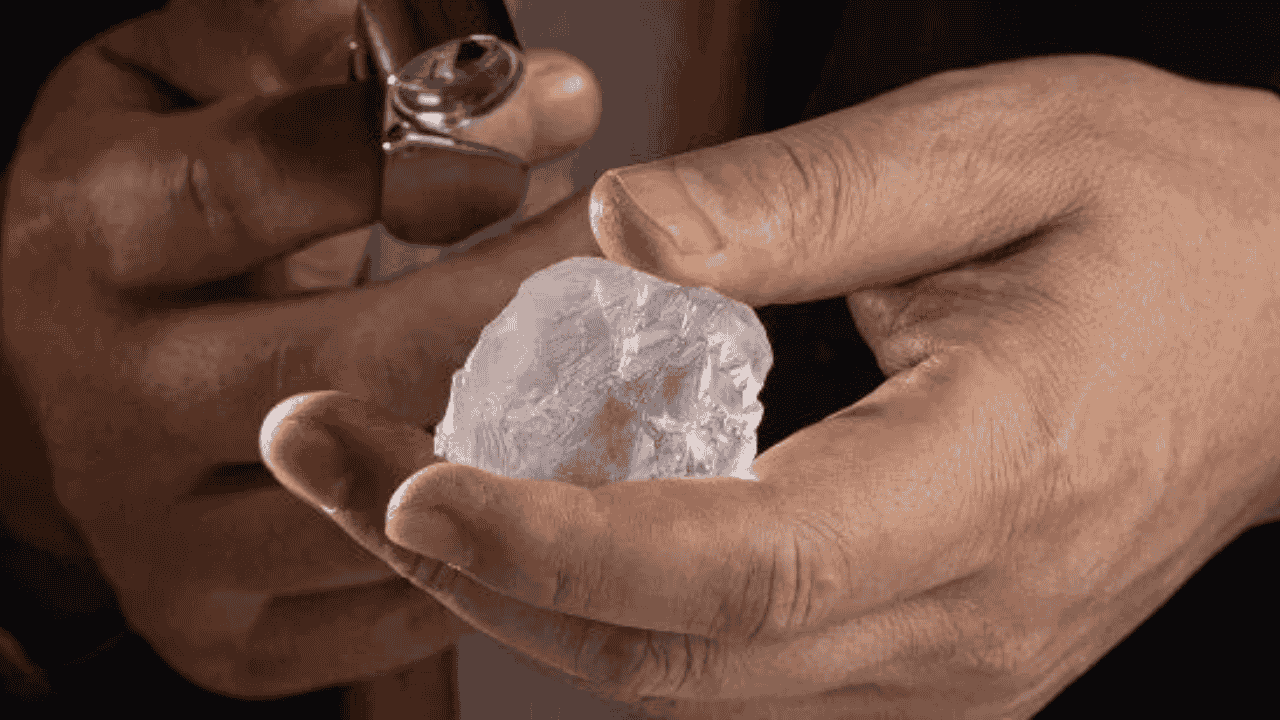
Conflict diamonds are rough diamonds illegally mined in war-torn regions and sold to finance armed conflicts. According to United Nations Security Council resolutions, these are "rough diamonds used by rebel groups or their allies to finance conflicts that undermine legitimate governments in the world."
The term gained prominence during the 1990s and 2000s when African nations—particularly Sierra Leone, Angola, and the Democratic Republic of Congo—witnessed devastating conflicts fueled by illicit diamond sales. For instance:
Sierra Leone's civil war (1991-2002): Rebel groups (notably the Revolutionary United Front) funded their operations through diamond smuggling, resulting in an estimated 70,000+ deaths and widespread atrocities.
Angola (1975-2002): UNITA (National Union for the Total Independence of Angola) used diamond revenues to procure weapons and sustain a 27-year conflict.
Democratic Republic of Congo: Multiple armed groups continue to exploit diamond mining for financial sustenance.
Organizations like Global Witness exposed these connections through investigative journalism, catalyzing international action. The Fowler Report (March 2000) formally documented the "blood diamond" phenomenon, prompting the United Nations General Assembly to establish the Kimberley Process framework.
The Kimberley Process Certification Scheme (KPCS): Structure and Objectives
Established in 2003 pursuant to United Nations General Assembly Resolution 55/56, the KPCS came into effect on January 1, 2003. It operates on three foundational principles:
National Legislation: Each participant must enact laws preventing conflict diamond financing
Institutional Controls: Governments must implement robust export, import, and internal monitoring systems
Certification Mechanism: Every rough diamond export requires a government-issued, forgery-resistant Kimberley Process Certificate accompanying the shipment in a tamper-resistant container
Scope of the Scheme:
The KPCS currently encompasses 60 participating countries, representing 86 nations (the European Union counts as a single participant). Collectively, these members account for approximately 99.8% of global rough diamond production, making the scheme nearly universal in coverage.
Key requirements for participant countries include:
Maintaining national diamond policies aligned with KPCS standards
Submitting annual statistical reports on diamond production, imports, and exports
Refusing to import diamonds from non-participating countries or from sources identified as conflict-compromised
Participating in peer-review and monitoring mechanisms
India's Leadership Role: Three Chairmanships Across Two Decades
India's elevation to the KP chair in 2026 marks its third chairmanship in the scheme's 23-year history:
| Year | India's Role | Context |
|---|---|---|
| 2007 | Vice-Chair | Foundation-building year |
| 2008 | Chair | First chairmanship; India hosted KP meetings |
| 2012 | Not Chair (but active participant) | Continued engagement in monitoring groups |
| 2019-2020 | Chair | Second chairmanship; hosted Plenary in New Delhi |
| 2025-2026 | Vice-Chair → Chair | Taking over Vice-Chair on Dec 25, 2025; assumes Chair on Jan 1, 2026 |
India's recurring selection reflects its credibility as a major player in global diamond trade and manufacturing. As one of the world's largest diamond cutting and polishing centers, handling over 90% of the globe's polished diamond manufacturing, India's leadership carries substantial weight.
Why This Third Chairmanship Matters for Global Governance
According to India's Ministry of Commerce and Industry, the country will prioritize four strategic pillars during its tenure:
Strengthening Governance and Compliance: Reinforcing adherence to KPCS standards among all 60 participants
Advancing Digital Certification and Traceability: Modernizing supply chain verification through blockchain and digital certification technologies
Enhancing Transparency through Data-Driven Monitoring: Implementing real-time analytics to detect anomalies in diamond trade flows
Building Consumer Trust: Expanding the concept from the "4 Cs" (Cut, Clarity, Color, Carat) to a "5th C"—Conflict-Free
Minister Piyush Goyal highlighted that India's selection "reflects global trust in the Modi government's commitment to promoting integrity and transparency in international trade". This appointment arrives at a critical juncture—shifting geopolitics, supply chain disruptions (notably from Russia-Ukraine tensions), and growing demand for sustainable, ethically-sourced diamonds make India's leadership timely.
India's Diamond Industry: Strategic Significance
Understanding India's economic stake enhances exam preparation. Key facts for UPSC candidates:
Surat: The Global Diamond Hub
Location: Surat, Gujarat
Global Market Share: Over 90% of the world's diamond cutting and polishing
Workforce: Approximately 5-7 lakh (500,000-700,000) workers employed
Diamond Manufacturing Units: Over 4,000 companies operate in Surat
Dual Processing: Surat now cuts both natural and lab-grown diamonds (LGD), reflecting market trends
Trade Statistics:
In 2012, India's diamond sector demonstrated significant import-export activity:
Imports: 151.9 million carats valued at $14.88 billion
Exports: 34.4 million carats valued at $1.80 billion
This volume underscores why India must champion the KPCS—its diamond industry depends on consumer confidence in ethical sourcing.
Criticisms and Limitations of the Kimberley Process
For holistic exam preparation, aspirants must understand critiques alongside achievements:
Narrow Definition: The scheme defines "conflict diamonds" strictly as revenues financing anti-government rebel groups, excluding diamonds mined by state actors or associated with human rights abuses committed by governments
Implementation Gaps: Organizations like Global Witness (exited 2011) and IMPACT (exited 2017) withdrew from the process, citing inadequate enforcement
Monitoring Challenges: Alluvial diamonds (collected from riverbeds across vast areas) are difficult to trace, enabling smuggling
Limited Scope: The scheme does not address environmental degradation, labor exploitation, or money laundering—concerns raised by Human Rights Watch
India's Diamond Industry and Global Economic Impact
India's role in the global diamond supply chain extends beyond cutting and polishing. Recent initiatives highlight this:
Surat Diamond Bourse (SDB): Inaugurated in 2023, the SDB is the world's largest office complex dedicated to diamond trading, designed to shift the trading hub from Mumbai to Surat. This infrastructure enhances India's competitive advantage in the global market.
Lab-Grown Diamonds (LGD): As demand shifts toward sustainable alternatives, Surat's manufacturers are pivoting to LGD production, positioning India as a leader in future diamond markets.
Why This Matters for Your Exam Preparation
For UPSC Aspirants:
This topic bridges multiple examination domains:
1. General Studies Paper-I (Geography & International Relations):
Global trade networks and supply chain governance
Conflict studies in African regions (Sierra Leone, Angola, DRC)
India's role in international multilateral frameworks
2. General Studies Paper-II (Governance & International Relations):
UN mechanisms and resolutions (UNSC resolutions on conflict diamonds)
Tripartite models of global governance (government-industry-civil society)
India's soft power and diplomatic leadership in international institutions
3. General Studies Paper-III (Economics & Infrastructure):
India's diamond manufacturing industry and export economics
Surat's role as a global manufacturing hub
Supply chain governance and certification mechanisms
4. Essay Paper:
"Responsible Sourcing and Ethical Consumption"
"Global Governance in an Interconnected World"
"India's Role in Shaping International Standards"
5. Prelims MCQ Practice:
Common exam patterns include:
Definitions: "Which of the following is NOT a characteristic of conflict diamonds?"
Historical context: "The Kimberley Process originated in which year?"
India-specific: "In which city is the majority of the world's diamond cutting and polishing done?"
Policy questions: "Which of the following is a limitation of the Kimberley Process Certification Scheme?"
Key Takeaways for Competitive Exams
| Concept | Key Information | Exam Relevance |
|---|---|---|
| Kimberley Process | Established 2003; prevents conflict diamond trade | GS-II (International Relations) |
| Conflict Diamonds | Rough diamonds financing rebel groups; also called "blood diamonds" | GS-I (History) & GS-II (Ethics) |
| KPCS Coverage | 60 participants; 86 countries; 99.8% of global rough diamond production | Economics & Statistics |
| India's Chair | 3rd time (2008, 2019-20, 2026); reflects credibility & soft power | Current Affairs & IR |
| Surat | 90% of global diamond cutting/polishing; ~7 lakh workers | Geography & Economics |
| Digital Innovation | India pushing blockchain-based certification during 2026 tenure | Technology & Governance |
| Criticisms | Limited scope; excludes state-actor abuses; implementation gaps | GS-II (Ethics & Governance) |
Additional Resources for Deeper Learning
For comprehensive exam preparation on this topic, cross-reference:
Official Kimberley Process website: www.kimberleyprocess.com
PIB (Press Information Bureau) announcements on India's chairmanship
Previous UPSC CSE questions on diamonds, Africa, and international trade
Analysis on sustainable sourcing and ESG (Environmental, Social, Governance) standards