Hornbill Festival 2025: Nagaland's Cultural Celebration and UPSC Current Affairs
Introduction
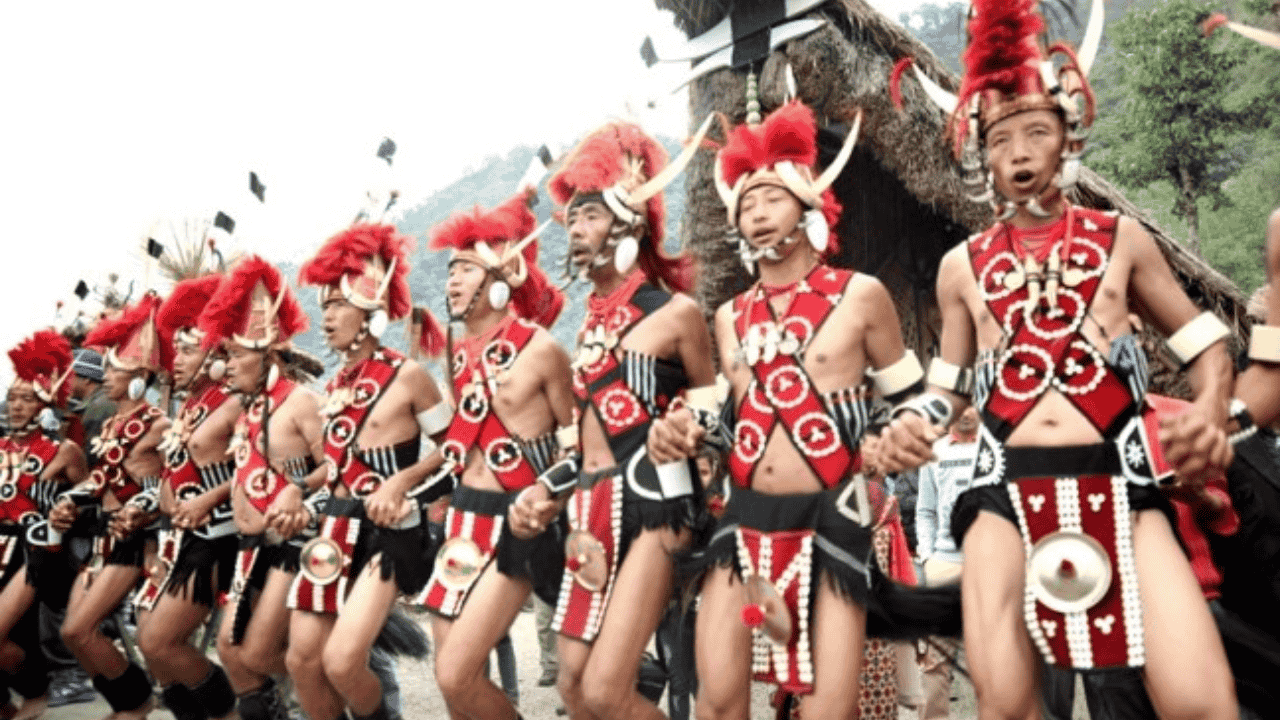
The Hornbill Festival stands as one of India's most vibrant and authentic cultural celebrations, held annually in Nagaland during December. Recognized as the "Kumbh Mela of the Northeast," this 10-day extravaganza showcases the rich tribal heritage of Nagaland's indigenous communities and has evolved into a significant tourist attraction drawing visitors from across the globe. For UPSC and competitive exam aspirants, understanding this festival provides crucial insights into India's tribal cultures, regional identities, and constitutional provisions regarding tribal communities.
What is the Hornbill Festival?
The Hornbill Festival is a state-sponsored cultural showcase organized annually by the Nagaland Tourism and Heritage Department. Held at Kisama Heritage Village, approximately 12 kilometers from Kohima (the state capital), this 10-day festival (typically December 1-10) celebrates the indigenous tribal traditions and customs of Nagaland's diverse ethnic communities.
Key Festival Details:
Duration: 10 days (December 1-10 annually)
Location: Kisama Heritage Village, Kohima, Nagaland
Founded: 1980s by the Nagaland Government
Primary Objective: Preservation and promotion of tribal cultural heritage
Participation: All 16 major Naga tribal communities
Global Status: UNESCO-recognized cultural event with international visitor attendance
Historical Background and Origin
The festival emerged in the 1980s as a deliberate initiative by the Nagaland State Government to:
Preserve tribal heritage from the erosion caused by modernization
Promote cultural pride among Naga youth and reconnect them with their ancestral roots
Boost tourism and economic development in the northeastern region
Facilitate inter-tribal unity by providing a common platform for different Naga communities
The name "Hornbill" derives from the hornbill bird, considered a sacred symbol in Naga culture representing prosperity, good fortune, and strength. This symbolic choice reflects the deep spiritual connection Naga communities maintain with their natural environment.
The 16 Naga Tribes of Nagaland
The festival brings together representatives from Nagaland's 16 major tribal groups, each with distinct customs, dialects, and traditional practices:
Angami (Sekerny festival celebration)
Ao
Chang
Chakhesang
Dimasa-Kachari
Kachari
Khiamniungam
Konyak
Lotha
Phom
Pochury
Rengma
Sangtam
Sumi
Tikhir
Yimchunger
This tribal diversity underscores Nagaland's multicultural identity and provides crucial context for understanding India's federal structure and tribal administration policies.
Festival Highlights and Cultural Attractions
Traditional Performances and Dances
The festival showcases authentic tribal dances and performances:
War dances reflecting warrior traditions
Harvest celebration dances connected to agricultural cycles
Ceremonial performances highlighting tribal rituals
Folk music performances featuring indigenous instruments
Traditional Morungs (Warrior Huts)
A distinctive feature of Hornbill Festival is the exhibition of Naga Morungs — traditional communal warrior dormitories. These reconstructed structures:
Display traditional Naga architectural styles
Demonstrate warrior training facilities and tribal governance systems
Showcase traditional weaponry and hunting equipment
Serve as living museums of tribal administrative structures
Hornbill Night Market
The bustling Hornbill Night Market features:
Local handicrafts — traditional textiles, beadwork, and wooden carvings
Authentic Naga cuisine — local delicacies and traditional food preparations
Artisan exhibitions — live demonstrations of tribal crafts
Souvenir stalls — cultural merchandise and authentic tribal products
Competitions and Sporting Events
Traditional competitions highlight tribal skills and cultural practices:
Archery competitions — traditional bow and arrow contests
Tribal sports — rope pulling, stone pushing, and traditional games
Cultural competitions — singing, dancing, and traditional music contests
Culinary competitions — showcase of regional Naga dishes
Related Cultural Festivals in Nagaland
While Hornbill Festival remains the most prominent, other significant tribal celebrations include:
Sekerny Festival (Angami Tribe)
Timing: February annually
Significance: Angami tribal purification and harvest celebration
Traditions: Communal feasting, traditional singing, and purification rituals
Cultural value: Demonstrates tribal agricultural cycles and social cohesion
Mini Hornbill Festival
Celebrated alongside Sekerny in February
Smaller-scale cultural showcase for regional communities
Attracts significant tourist interest for those unable to attend December festivities
Socio-Cultural Significance
Inter-Tribal Unity and National Integration
The Hornbill Festival serves as a platform for national integration by:
Bringing diverse tribal communities into a shared cultural space
Promoting mutual understanding and harmony among different ethnic groups
Strengthening Naga identity while maintaining individual tribal autonomy
Demonstrating India's unity in diversity principle enshrined in the Constitution
Youth Engagement and Cultural Continuity
The festival plays a crucial role in:
Reconnecting Naga youth with ancestral traditions and cultural roots
Preventing cultural erosion through modernization and globalization
Transmitting tribal knowledge to younger generations
Creating cultural pride among indigenous communities
Economic and Tourism Development
The festival has transformed into:
A major revenue source for Nagaland's economy
An international tourism attraction drawing visitors from across India and abroad
A platform for local artisans and entrepreneurs to showcase and market products
An employment generator during peak festive season
Nagaland: Constitutional and Administrative Context
For UPSC aspirants, it's essential to understand Nagaland's unique constitutional status:
Statehood and Formation
Admitted to Indian Union: 1963
Former Status: Part of Assam (pre-1963)
Constitutional Status: Full state with special provisions under Article 371(A) of the Indian Constitution
Unique Constitutional Provisions
Article 371(A) grants Nagaland special protections:
Religious and cultural autonomy — right to practice traditional customs and religious rites
Property ownership restrictions — non-natives cannot own agricultural land without state government permission
Local legislation exemption — certain national laws don't automatically apply to Nagaland without state approval
Tribal governance recognition — constitutional acknowledgment of traditional tribal administrative systems
Naga Customary Law
Nagaland recognizes tribal customary law alongside Indian legal code
Different tribal communities maintain separate customary legal frameworks
This creates a unique plural legal system in India
Why This Matters for Your Exam Preparation
For UPSC Mains (Essay, GS Papers)
GS Paper I (Indian Culture and Society):
Hornbill Festival exemplifies India's tribal cultural diversity and heritage preservation strategies
Understanding festival symbolism reflects knowledge of tribal cosmology and belief systems
Relevant for essays on "Cultural Integration in Diverse Societies" or "Preserving Indigenous Heritage in Modern India"
GS Paper II (Governance and Constitution):
Article 371(A) and Nagaland's special constitutional status are frequently tested topics
Understanding tribal governance systems and customary law frameworks
Relevant for questions on "Federalism," "Minority Rights," and "Scheduled Tribes Protections"
GS Paper III (Social Development):
Tourism as a tool for rural economic development
Grassroots cultural preservation and sustainable development
Economic empowerment of tribal artisans and communities
For UPSC Prelims (Objective Questions)
High-probability question areas:
Constitutional Provisions: Article 371(A) and special status of Nagaland
Tribal Demographics: Number of major tribes, names, and locations
Festival Details: Dates, locations, and founding year
Symbols and Culture: Significance of hornbill bird and tribal traditions
Geography: Nagaland's location, capital (Kohima), and administrative divisions
For Other Competitive Exams
BPSC, UPPSC, MPPSC, and State PSCs:
Northeastern India's cultural and political context
State-specific tourism initiatives and economic policies
Tribal welfare programs and constitutional protections
Banking and SSC Exams:
General awareness questions on Indian heritage and tourism
National integration and cultural diversity topics
Economic development through cultural tourism
Broader Exam Relevance
Constitutional Awareness: Understanding India's federal structure and minority protections
Cultural Geography: Recognizing tribal distribution and regional identities
Tourism and Development: Balancing cultural preservation with economic growth
Social Issues: Tribal rights, land ownership, and customary law integration
National Integration: How cultural celebrations strengthen India's diversity narrative
Key Takeaways for Exam Success
Hornbill Festival: December 1-10 annually at Kisama Heritage Village, Kohima
Founding: 1980s by Nagaland Government for cultural preservation
Participants: 16 major Naga tribal communities
Symbolism: Hornbill bird represents prosperity and strength in tribal culture
Constitutional Context: Article 371(A) grants Nagaland special status
Significance: Inter-tribal unity, youth engagement, and economic development
Exam Focus: Constitutional provisions, tribal cultures, and northeastern development strategies
Conclusion
The Hornbill Festival represents far more than a tourist attraction—it embodies India's constitutional commitment to preserving tribal cultures, promoting inter-community harmony, and advancing inclusive development. For UPSC and competitive exam aspirants, mastering the historical, cultural, constitutional, and economic dimensions of this festival demonstrates sophisticated understanding of India's federal structure, tribal rights framework, and cultural diversity. Regular engagement with such regional cultural knowledge strengthens both GS paper preparation and provides compelling material for essay writing in competitive examinations.