
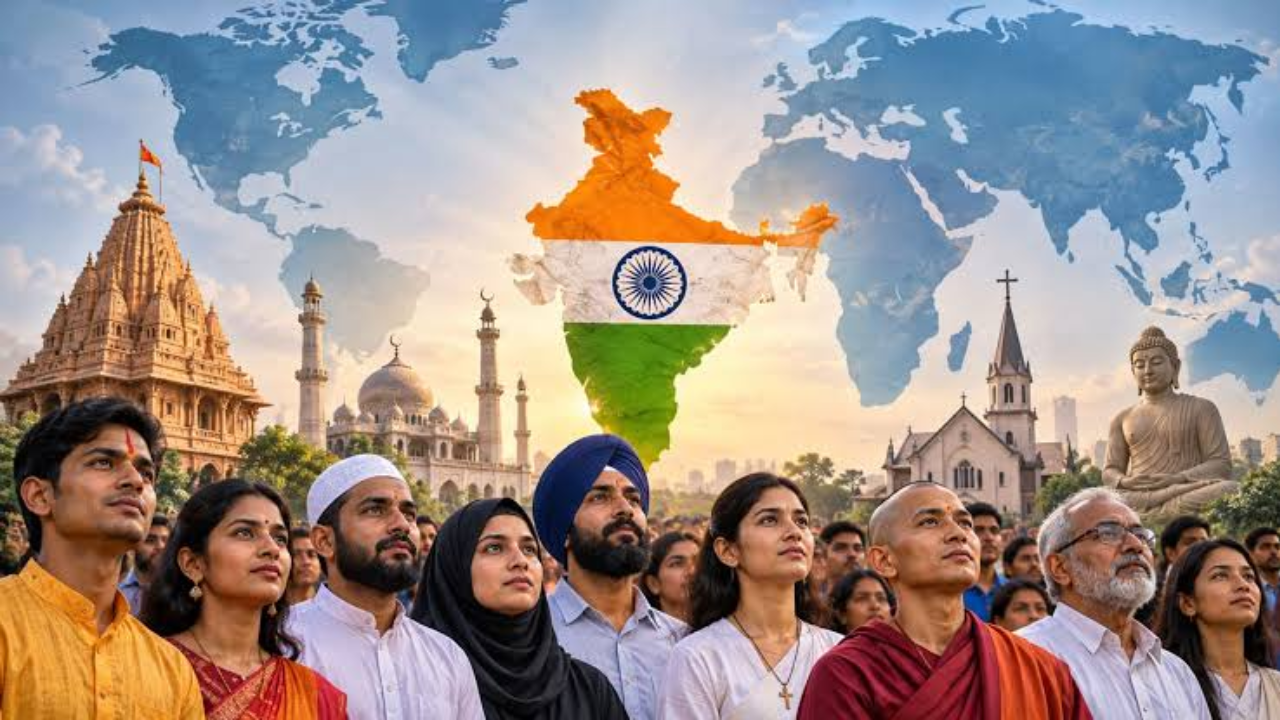
UPSC Current Affairs 28 November 2026: 2070 तक भारत में हिंदू-मुस्लिम आबादी कैसी होगी? Pew Report, Census 2027 और Daily GK Fact Check
Published: 28 November 2026
Category: Indian Society | Population & Demography | Polity & Governance
Useful for: UPSC CSE, State PCS, SSC, Banking and other competitive examinations
खबर के संदर्भ में क्या नया है?
18 नवंबर 2026 को Pew Research Center ने The Future of World Religions: Population Growth Projections, 2020–2070 नाम से एक नया global demographic projection study प्रकाशित किया। इसलिए इसे केवल Pew की 2015 वाली पुरानी report का विस्तार कहना सही नहीं होगा। 2015 की study का मुख्य projection horizon 2050 था और उसमें model को आगे बढ़ाने पर लगभग 2070 में Muslims और Christians के बराबर global share तक पहुंचने की संभावना बताई गई थी। नई 2026 study ने updated 2020 baseline से 2070 तक अलग, विस्तृत projections तैयार किए हैं।
नई study 201 देशों और territories में Christians, Muslims, Hindus, Buddhists, Jews, “other religions” और religiously unaffiliated population को model करती है। इसमें age structure, fertility, mortality, migration और religious switching जैसे demographic variables शामिल किए गए हैं। 2010 और 2020 के estimates Pew के 2025 global religious landscape dataset से आते हैं, जबकि 2030 से 2070 तक के आंकड़े projections हैं—actual census counts नहीं।
यही distinction परीक्षा के लिए सबसे महत्वपूर्ण है: 79.4%, 15.2% या 21.3 करोड़ जैसे 2020 Pew figures को Census of India 2020 data नहीं कहा जा सकता, क्योंकि भारत में 2020 में Census हुआ ही नहीं था। Pew ने उपलब्ध census, surveys और demographic modelling के आधार पर 2020 baseline estimate तैयार किया। भारत के मामले में 2011 Census अंतिम उपलब्ध full census baseline था।
Pew की नई report भारत के बारे में वास्तव में क्या कहती है?
Pew के country-level projections के अनुसार भारत में Hindus का share 2020 के अनुमानित 79.4% से घटकर 2070 में 75.8% हो सकता है, जबकि Muslims का share 15.2% से बढ़कर 19.6% हो सकता है। सरल भाषा में, Muslim share में लगभग 4.4 percentage points की वृद्धि और Hindu share में लगभग 3.6 percentage points की कमी project की गई है। यह 50 वर्ष का demographic projection है, किसी community की अचानक replacement का अनुमान नहीं।
Pew के अनुसार भारत की Muslim population 2020 में लगभग 213 million यानी 21.3 करोड़ estimate की गई थी और 2070 तक लगभग 334 million यानी 33.4 करोड़ होने का projection है। उसी scenario में Pakistan लगभग 461 million Muslims के साथ दुनिया की सबसे बड़ी Muslim population वाला देश बन सकता है और India दूसरे स्थान पर रह सकता है।
Global level पर नई study का projection है कि Muslims की संख्या 2020 के लगभग 2.02 billion से बढ़कर 2070 में लगभग 3.64 billion हो सकती है। उसी baseline scenario में Muslim population लगभग 2035 के आसपास Christians से अधिक हो जाती है। यह भी projection है, निश्चित भविष्यवाणी नहीं।
अमेरिका के बारे में उपलब्ध Pew data बताता है कि वहां Hindus की संख्या 2020 में लगभग 30 लाख थी और 2070 तक उनकी population में लगभग 40 लाख की अतिरिक्त वृद्धि project की गई है। Pew का 2070 scenario यह भी दिखाता है कि उस समय U.S. में Hindus का share लगभग 2% और Jews का लगभग 1.2% हो सकता है; इसलिए Hindus का संख्या में Jews से आगे निकलना नई study के अनुरूप है। हालांकि editorial में दिया गया सटीक 74 लाख का आंकड़ा Pew की मुख्य narrative pages में स्पष्ट रूप से प्रकाशित नहीं मिला, इसलिए उसे यहां independently verified figure के रूप में नहीं दोहराया गया है।
Key facts for exams:
- Pew report की वास्तविक publication date 18 November 2026 है; projection period 2020–2070 है।
- India: Hindu share 79.4% → 75.8%; Muslim share 15.2% → 19.6% projected है।
- India की Muslim population 213 million → 334 million projected है।
- Pakistan को 2070 में लगभग 461 million Muslims के साथ first और India को second स्थान पर project किया गया है।
- Global Muslim population को लगभग 2035 में Christians से आगे निकलता हुआ model किया गया है।
- ये figures demographic projections हैं, Census counts या guaranteed outcomes नहीं।
Census 2011 बनाम Pew 2020 estimate: कौन-सा आंकड़ा official है?
भारत की धार्मिक संरचना का नवीनतम official Census count अभी Census 2011 ही है। Registrar General and Census Commissioner के आधिकारिक आंकड़ों के अनुसार 2011 में भारत की कुल population लगभग 121.09 करोड़ थी। उसमें Hindus 96.63 करोड़ यानी 79.8%, Muslims 17.22 करोड़ यानी 14.2%, Christians 2.78 करोड़ यानी 2.3%, Sikhs 2.08 करोड़ यानी 1.7%, Buddhists 0.84 करोड़ और Jains 0.45 करोड़ थे।
| Indicator | Official Census 2011 | Pew 2020 estimate | Pew 2070 projection |
|---|---|---|---|
| Hindu share | 79.8% | 79.4% | 75.8% |
| Muslim share | 14.2% | 15.2% | 19.6% |
| Muslim population | 17.22 crore | 21.3 crore | 33.4 crore |
| Nature of data | Actual Census count | Modelled estimate | Projection |
2011 figures official Census data हैं; 2020 और 2070 columns Pew estimates/projections हैं। इसलिए इन्हें एक ही statistical category में नहीं रखा जाना चाहिए।
यह distinction UPSC answers में विशेष रूप से उपयोगी है। उदाहरण के लिए, “भारत में Muslims अभी 15.2% हैं” लिखना technically अधूरा होगा। बेहतर formulation होगा: “Pew Research Center का 2020 estimate 15.2% है, जबकि नवीनतम official Census 2011 में Muslim share 14.2% था।”
Fertility, age structure और population momentum को कैसे समझें?
Religious population shares केवल fertility से निर्धारित नहीं होते। Pew का model age structure, births, deaths, migration और religious switching को साथ लेकर चलता है। किसी group की population comparatively young हो तो, fertility धीरे-धीरे कम होने के बावजूद, अधिक लोग reproductive age में प्रवेश करते रहते हैं। इसे population momentum कहा जाता है। इसी कारण long-term population growth सिर्फ “आज की TFR” देखकर नहीं समझी जा सकती।
भारत में fertility rates सभी प्रमुख communities में पिछले दशकों में तेजी से नीचे आई हैं। NFHS-5, 2019–21 के national survey में overall TFR लगभग 2.0 थी। Religion-wise estimates में Hindu women की TFR लगभग 1.94 और Muslim women की लगभग 2.36 दर्ज की गई। यानी gap मौजूद है, लेकिन दोनों rates ऐतिहासिक स्तरों की तुलना में काफी कम हैं। NFHS data education, residence और household wealth के साथ fertility में बड़े differences भी दिखाता है, इसलिए religion अकेला explanatory variable नहीं है।
Pew ने भी भारत पर अपने earlier analysis में बताया था कि fertility decline सभी religious groups में हुई है और Muslim fertility में गिरावट विशेष रूप से तेज रही है। इसी fertility convergence के कारण religious composition में परिवर्तन gradual रहता है।
इसलिए 15.2% से 19.6% तक बढ़ना “4.4% वृद्धि” कहने के बजाय 4.4 percentage-point increase कहना बेहतर है। प्रतिशत और percentage point अलग statistical concepts हैं। इसी तरह किसी group का share घटने का अर्थ यह जरूरी नहीं कि उसकी absolute population भी घट रही हो। Pew के scenario में भारत में Hindu population की संख्या 2020 से 2070 के बीच लगभग 176 million बढ़ने का projection है, जबकि उसका national share कुछ कम होता है।
Census 2027: क्या इसके आंकड़े 2027 में ही जारी हो जाएंगे?
यह दावा कि “नई Census figures 2027 में आ जाएंगी” सावधानी से लिखा जाना चाहिए। Government of India ने Census of India 2027 की प्रक्रिया formally notify कर दी है, लेकिन enumeration year और final data release date एक ही चीज नहीं हैं। किसी official notification ने यह guarantee नहीं दी है कि पूरी धार्मिक composition tables 2027 में ही प्रकाशित हो जाएंगी।
Census 2027 दो broad phases में आयोजित हो रहा है। Houselisting and Housing Census phase को April–September 2026 के दौरान निर्धारित किया गया, जबकि Population Enumeration का मुख्य national phase 25 January से 28 February 2027 और revisional round 1–5 March 2027 के लिए notified है। सामान्य reference date 1 March 2027 है; snow-bound क्षेत्रों के लिए अलग schedule और reference date लागू होती है। कुछ election-bound states में population enumeration को national schedule से पहले भी आयोजित किया जा रहा है।
इसलिए aspirants को याद रखना चाहिए: Census 2027 का मतलब Census exercise/reference year है; final tables कब publish होंगी, यह अलग administrative process है।
Atharva Examwise पर related reading के लिए Current Affairs section और Census एवं social inclusion पर caste enumeration article उपयोगी internal references हैं। ये URLs site search में independently verifiable मिले हैं।
चुनावी दावों को demographic projections से सीधे जोड़ना क्यों गलत है?
Editorial में demographic projections से 2029 Lok Sabha election के संभावित vote shares और seat outcomes निकालने की कोशिश की गई है। ऐसी deterministic inference को exam-ready factual analysis का हिस्सा नहीं बनाना चाहिए।
Election Commission के 2024 data के अनुसार BJP का all-India vote share लगभग 36.56% और Congress का लगभग 21.19% था; BJP ने 240 और Congress ने 99 Lok Sabha seats जीतीं। ECI ने 2024 election के विस्तृत party-wise statistical reports जारी किए हैं।
लेकिन “BJP को 272 seats के लिए 40% से अधिक votes चाहिए” जैसी कोई fixed mathematical rule नहीं है। भारत Lok Sabha elections में First-Past-The-Post (FPTP) system अपनाता है: प्रत्येक constituency अलग contest है और सबसे अधिक votes पाने वाला candidate जीतता है। इस कारण national vote share और seat share का संबंध constituency distribution, opposition fragmentation, alliances, margins और regional concentration पर निर्भर करता है।
Historical ECI data इस बात को स्पष्ट करता है। BJP ने 2014 में लगभग 31.34% vote share के साथ 282 seats, जबकि 2019 में लगभग 37.7% के साथ 303 seats जीती थीं। दूसरी ओर Congress ने 2004 में 26.53% vote share और 145 seats हासिल कीं और बाद में coalition support के साथ government बनाई। इसलिए “40% = निश्चित बहुमत” या “25% = निश्चित coalition outcome” जैसे formulas empirical या constitutional rules नहीं हैं।
इसी तरह “Muslim vote”, “Hindu vote” या “Christian vote” को एक homogeneous national bloc मानना analytically कमजोर है। Voting behaviour region, caste, class, gender, candidate, alliance, welfare delivery, local issues और party competition जैसे अनेक factors से प्रभावित होता है। Pew की religious-demography study electoral forecasting study नहीं है; उसका stated purpose population change को model करना है।
Editorial में white population के 1900 में 36% से 2100 में 6% होने और Elon Musk से जुड़ी “racial survival” warning को भी इस article में शामिल नहीं किया गया है। Pew की 2026 study race या ethnicity के global projections नहीं बनाती; वह सात religious categories पर केंद्रित है। उपलब्ध authoritative primary demographic sources में editorial के उस specific 36%-to-6% global racial projection को independently verify नहीं किया जा सका। इसलिए उसे fact के रूप में दोहराना उचित नहीं होगा।
UPSC perspective: Society, secularism और public policy
Population projections का constitutional significance किसी community को “threat” या electoral bloc के रूप में देखने में नहीं, बल्कि public policy planning में है। Age structure, fertility transition, urbanisation, education, healthcare demand, employment, migration और regional population distribution welfare-state planning को प्रभावित करते हैं। Pew के projections इसी broader demographic context को समझने में सहायक हैं, लेकिन future policy को predetermined नहीं करते।
GS Paper I में यह topic Indian Society, population and associated issues, demographic transition और population distribution से जुड़ता है। GS Paper II में इसे constitutional secularism और equality के संदर्भ में पढ़ा जा सकता है। Constitution का Article 14 equality before law, Article 15 religion सहित कुछ grounds पर discrimination के prohibition और Articles 25–28 freedom of religion से संबंधित हैं।
Exam answer में balanced formulation यह हो सकती है: धार्मिक composition में बदलाव एक demographic phenomenon है; इसे fertility convergence, education, age structure और population momentum के साथ पढ़ना चाहिए, न कि automatically political conflict या electoral outcome में translate करना चाहिए।
Related Atharva Examwise resources में National Commission for Minorities और Census demographics तथा Delimitation, Census और Lok Sabha representation पर उपलब्ध articles directly relevant हैं।
Reliable references for further reading
Primary source के रूप में aspirants Pew Research Center की The Future of World Religions: Population Growth Projections, 2020–2070 report और उसका India country projection page देख सकते हैं। दोनों sources स्पष्ट करते हैं कि 2020 baseline estimates हैं और 2030–2070 figures demographic projections।
Official Indian data के लिए Census of India portal पर Census 2011 religion tables और Census 2027 notifications उपलब्ध हैं। Census 2011 C-01 table religious-community distribution का authoritative source है।
Fertility के लिए NFHS-5, 2019–21 national report Ministry of Health & Family Welfare/DHS Programme का प्रमुख source है; election statistics के लिए Election Commission of India के General Elections और statistical reports authoritative references हैं।
Editorial verification note: NFHS-5 की religion-wise fertility table authoritative PDF में उपलब्ध है। Web PDF renderer ने visual screenshot fetch पर 403 error दिया, लेकिन searchable official report text में Hindu TFR 1.94 और Muslim TFR 2.36 स्पष्ट रूप से उपलब्ध थे। इसलिए figures को उसी primary report से लिया गया है।
Why this matters for your exam preparation
यह topic UPSC के लिए केवल “2070 में कौन कितने प्रतिशत होगा?” जैसी factual memory तक सीमित नहीं है। इसका वास्तविक examination value data interpretation और conceptual clarity में है। Aspirants को Census count, survey estimate और projection के बीच अंतर समझना चाहिए; percentage और percentage-point change को अलग पहचानना चाहिए; fertility convergence और population momentum जैसे demographic concepts समझने चाहिए; और demographic projections को electoral predictions या social-threat narratives में बदलने से बचना चाहिए। Pew स्वयं अपने figures को conditional projections बताता है—वे तभी लागू होते हैं जब underlying demographic trends broadly model assumptions के अनुरूप चलें।
Prelims के लिए Census 2011 religious composition, Census 2027 timeline, NFHS-5 TFR और Pew 2026 projection horizon महत्वपूर्ण facts हैं। Mains GS I में demographic transition, population policy और social diversity; GS II में secularism, equality, minority rights और electoral system के context में इसका उपयोग किया जा सकता है। संविधान religion के आधार पर equality और freedom of religion की institutional framework प्रदान करता है, जबकि Lok Sabha का FPTP system यह बताता है कि national vote percentage से fixed seat outcome निकालना क्यों उचित नहीं है।