UPSC Current Affairs: Dr. Karim Maredia Receives 2026 Borlaug CAST Communication Award | Daily GK Update
Announcement of the 2026 Borlaug CAST Communication Award
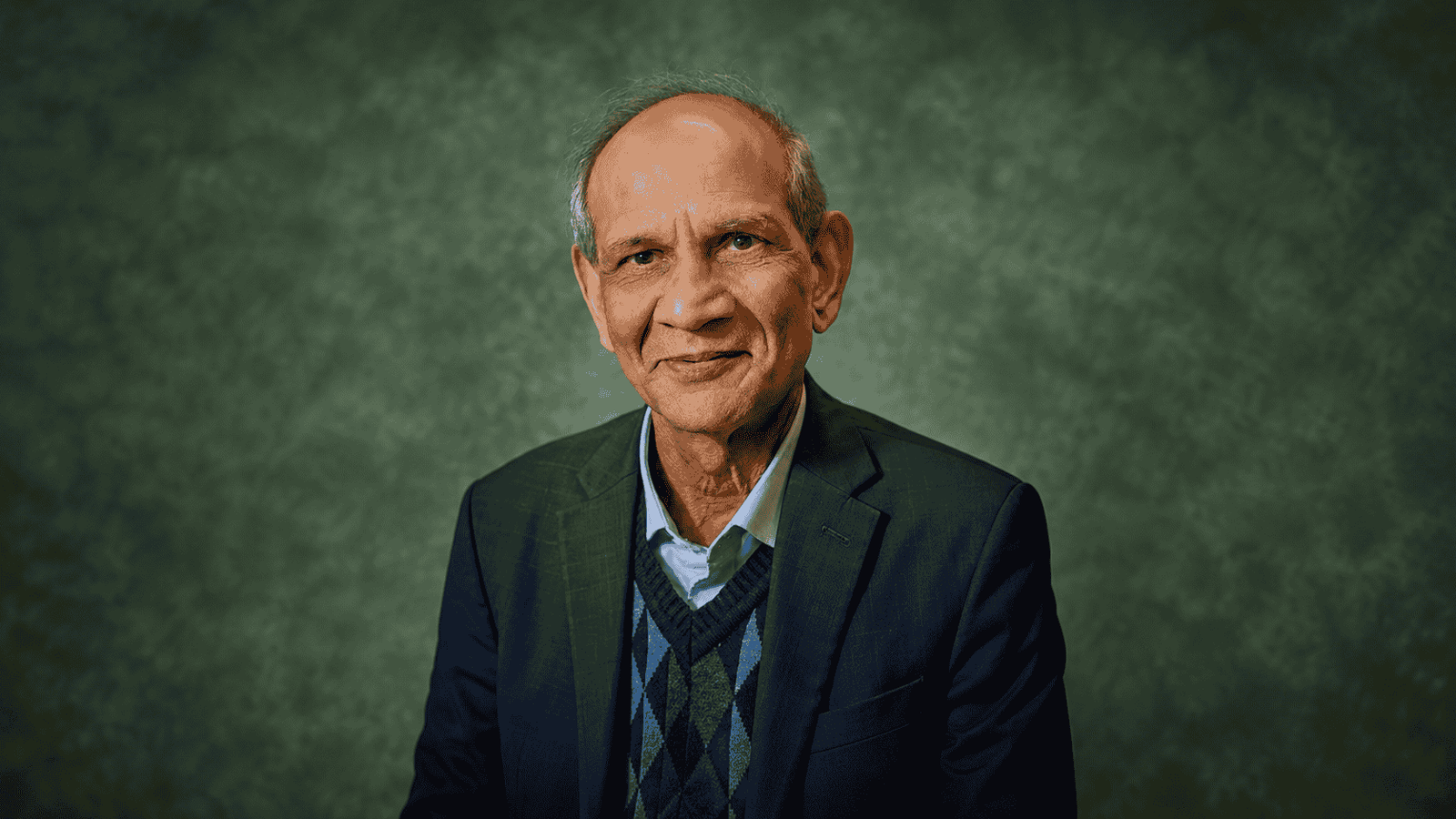
The Council for Agricultural Science and Technology (CAST) has designated Dr. Karimbhai M. Maredia, Professor and Senior Associate Dean in the College of Agriculture and Natural Resources at Michigan State University (MSU), as the recipient of the 2026 Borlaug CAST Communication Award. The formal conferment ceremony will take place on December 10, 2026, at the Library of Congress in Washington, D.C.. The selection of this date commemorates the anniversary of Dr. Norman E. Borlaug receiving the Nobel Peace Prize in 1970, reinforcing the foundational link between laboratory-based agronomy and public humanitarian service.
Conferred annually by the Council for Agricultural Science and Technology, the Borlaug CAST Communication Award recognizes scientists, researchers, and public communicators who have demonstrated outstanding competence in translating complex agricultural science and technological innovations into accessible, non-technical language for civic leaders, policymakers, and agrarian communities. Dr. Maredia's selection highlights the role of international science diplomacy, participatory agricultural extension, and technology transfer in strengthening global food systems, topics regularly tracked through Atharva Examwise current news analysis.
Professional Trajectory and Global Impact of Dr. Karim Maredia
Born into a rural dairy farming family in Gujarat, India, Dr. Maredia pursued an academic career that spans three continents and connects fundamental plant pathology and integrated pest management (IPM) to international development. His career reflects the integration of field-level agrarian knowledge with transnational agricultural governance.
Dr. Maredia completed his undergraduate training in India, earning a Bachelor of Science in Agriculture from Dr. Balasaheb Sawant Konkan Krishi Vidyapeeth in Dapoli, Maharashtra. He subsequently completed a Master of Science in Integrated Pest Management at Alabama A&M University and a Ph.D. in Plant Breeding and Integrated Pest Management at the University of Arkansas. Before his appointment at Michigan State University in 1989, Dr. Maredia served for three years as a research scientist at the International Maize and Wheat Improvement Center (CIMMYT) in Mexico, the research institution historically directed by Dr. Norman Borlaug during the development of high-yielding semi-dwarf wheat cultivars.
| Milestone / Dimension | Academic and Professional Specifics |
|---|---|
| Origin & Foundational Education | Born in Gujarat, India; B.Sc. (Agri) from Dr. Balasaheb Sawant Konkan Krishi Vidyapeeth, Dapoli |
| Advanced Degrees | M.S. (Integrated Pest Management), Alabama A&M; Ph.D. (Plant Breeding/IPM), Univ. of Arkansas |
| Pre-MSU Scientific Post | Research Scientist at CIMMYT, Mexico (focusing on international wheat and maize improvement) |
| Current Academic Roles | Professor, Associate Dean, and Director of World Agriculture Center, Michigan State University |
| Core Outreach Initiative | Founder/Director of World Knowledge and Technology Access Program (WorldTAP) |
| Scholarly Record | Over 130 scientific publications, policy briefs, and book chapters; co-editor of 8 textbooks |
| International Fellowships | Fellow of the National Academy of Agricultural Sciences (NAAS), India (2023); Fellow of AAS (2025) |
| Diplomatic & Advisory Roles | Foreign Secretary of NAAS (2025–present); Member, AU High-Level Panel on Emerging Technologies (2017–present) |
At Michigan State University, Dr. Maredia conceptualized and directed the World Knowledge and Technology Access Program (WorldTAP). WorldTAP operates as a platform for technology transfer, capacity building, and policy harmonisation across developing nations. Through this initiative, Dr. Maredia has trained more than 15,000 academic, regulatory, and grassroots stakeholders representing over 80 countries, hosted more than 250 international visiting fellows at MSU, and led field missions and policy advisories across 63 nations.
His research output comprises over 130 peer-reviewed papers, policy monographs, and book chapters, alongside eight co-edited volumes addressing integrated pest management, technology transfer, biosafety governance, and agricultural extension. These capacity-building and international outreach endeavors have received institutional backing from multilateral development agencies, including the United States Agency for International Development (USAID), the United States Department of Agriculture (USDA), the Food and Agriculture Organization (FAO) of the United Nations, the World Bank, the Rockefeller Foundation, and the Bill & Melinda Gates Foundation.
Dr. Maredia’s advisory responsibilities also include science diplomacy and continental policy formulation. Since 2017, he has served on the African Union High-Level Panel on Emerging Technologies, guiding regulatory oversight for agricultural biotechnology, genomics, and artificial intelligence in farming. In 2023, he was elected a Fellow of the National Academy of Agricultural Sciences (NAAS) of India, subsequently assuming the office of Foreign Secretary in 2025. He was elected a Fellow of the African Academy of Sciences (AAS) in 2025 and serves on the Global Council of the World Agriculture Forum.
Institutional Background of CAST and the Borlaug Award
The Council for Agricultural Science and Technology (CAST) was established in 1972 in Ames, Iowa, as an independent non-profit consortium comprising scientific societies, commercial entities, and academic research institutions. The organization was founded under the leadership of Dr. Charles A. Black, an agronomy professor at Iowa State University, alongside international agricultural researchers, including Dr. Norman Borlaug. Operating primarily as an educational clearinghouse, CAST synthesizes multidisciplinary, peer-reviewed scientific literature into targeted task force reports, policy briefs, and commentaries intended to inform legislative action, regulatory frameworks, and public debate.
The communication honor was originally instituted in 1986 under the name of the Charles A. Black Award. In 2010, CAST rebranded the recognition as the Borlaug CAST Communication Award in tribute to Dr. Norman Borlaug, highlighting his life-long insistence that scientific evidence must be actively communicated to civic leaders and the public. Honorees receive a custom bronze sculpture entitled "A World Supported by Plants and Animals", designed by the American artist Jerry Palen.
| Parameter | Institutional and Award Parameters |
|---|---|
| Conferring Body | Council for Agricultural Science and Technology (CAST), founded 1972, Ames, Iowa |
| Historical Nomenclature | Charles A. Black Award (conferred from 1986 through 2009) |
| Current Designation | Borlaug CAST Communication Award (instituted in 2010) |
| Award Symbol | "A World Supported by Plants and Animals" bronze sculpture by Jerry Palen |
| Primary Mandate | Recognizing sustained communication of science-based agricultural information to lay audiences |
| Past Recipients | Dr. David Ortega (2025), Dr. Alison Bentley (2023), Dr. Martin Wiedmann (2022) |
Science Communication and Agricultural Technology Transfer
The path of global agricultural development underscores that laboratory innovations alone cannot address food insecurity without functional knowledge transfer mechanisms. The institutional philosophy behind the Borlaug CAST Communication Award addresses the systemic gap that often emerges between academic laboratories, regulatory bodies, and agrarian field reality.
Contemporary agronomy increasingly relies on advanced technologies, including recombinant DNA methodologies, CRISPR-Cas9 genome editing, biological pest suppressors, and data-intensive precision agriculture. However, public skepticism, ambiguous biosafety frameworks, and communication deficits can slow the deployment of high-yielding, climate-resilient crop varieties. When scientific data is communicated primarily through specialized journals, non-technical stakeholders, civil society organizations, and parliamentarians may struggle to make evidence-based choices. Dr. Maredia's work demonstrates that scientists must also act as communicators, helping build transparent biosafety guidelines, demystifying genetic improvements, and providing technical support to policymakers.
This paradigm continues the field-level philosophy established by Dr. Norman Borlaug. Borlaug argued that scientific discoveries remain inert until they are operationalized in farmers' fields. His work in Mexico, India, and Pakistan during the 1960s succeeded because he engaged directly with cabinet ministers, local extension workers, and rural cultivators, convincing administrators to import seed stocks, modernize input subsidies, and reform public distribution. Through programs like WorldTAP, Dr. Maredia has scaled this communicative approach across 60 countries, ensuring that technological advances are paired with the human capacity required to implement them.
Key Facts and Exam-Relevant Data
The following verified points summarize the foundational facts relevant to this development:
Award Conferred: Dr. Karimbhai M. Maredia has been named the recipient of the 2026 Borlaug CAST Communication Award (BCCA).
Conferring Institution: The award is administered by the Council for Agricultural Science and Technology (CAST), an independent non-profit scientific consortium established in Ames, Iowa, in 1972.
Ceremony Venue and Timing: Conferred on December 10, 2026, at the Library of Congress in Washington, D.C., marking the date Dr. Norman Borlaug received the 1970 Nobel Peace Prize.
Biographical Background: Born to a dairy farming family in a rural village in Gujarat, India, Dr. Maredia completed his undergraduate degree at Dr. Balasaheb Sawant Konkan Krishi Vidyapeeth, Dapoli, Maharashtra.
Institutional Role: Serves as Professor, Associate Dean, and Director of the World Agriculture Center at Michigan State University (MSU), having joined the university in 1989.
Outreach Footprint: Director of the World Knowledge and Technology Access Program (WorldTAP), delivering specialized training to over 15,000 stakeholders across 80+ countries and hosting 250+ international scholars.
Scholarly Output: Author or editor of more than 130 peer-reviewed scientific publications, book chapters, and policy briefs, and co-editor of eight books on integrated pest management and technology transfer.
Academy Fellowships: Elected a Fellow of the National Academy of Agricultural Sciences (NAAS), India, in 2023, currently serving as its Foreign Secretary; elected a Fellow of the African Academy of Sciences (AAS) in 2025.
Diplomatic Engagements: Serves on the African Union High-Level Panel on Emerging Technologies (since 2017) and the Global Council of the World Agriculture Forum.
Institutional Precedents: Prior to MSU, served for three years as a research scientist at CIMMYT in Mexico.
Why this matters for your exam preparation
For candidates preparing for the UPSC Civil Services Examination and State Public Service Commissions (such as GPSC, UPPSC, BPSC, and MPSC), this development connects directly to core topics within General Studies and Agriculture Optional modules.
Integration with General Studies Syllabus
The career of Dr. Maredia and the broader work of CAST offer useful case studies across multiple examination areas:
General Studies Paper III (Agriculture and Technology Transfer):
Agricultural Extension and Technology Transfer: The Union syllabus emphasizes the institutional mechanisms that convey scientific research to farmers. The BCCA highlights how public universities and international bodies build extension systems to overcome the "lab-to-land" disconnect.
Biotechnology and Intellectual Property Rights (IPR): Dr. Maredia’s advisory responsibilities on emerging technologies and biosafety intersect with Indian policy debates regarding transgenic crop approvals, genome-edited organisms (SDN-1 and SDN-2 exemptions), and regulatory frameworks under the Genetic Engineering Appraisal Committee (GEAC).
General Studies Paper II (International Institutions and Science Diplomacy):
International Institutional Cooperation: Cross-border technical assistance programs (e.g., USAID, CIMMYT, NAAS, and the African Union) illustrate how science diplomacy supports technical capacity, harmonizes international trade protocols, and improves food security across the Global South.
Preliminary Examination (Current Events of National and International Importance):
Competitive examinations regularly evaluate international agricultural awards, multilateral research bodies (CGIAR, CIMMYT, IRRI), and the historical contributions of the Green Revolution. Previous UPSC prelims papers have tested the origins of Dr. Norman Borlaug, the field of his Nobel Prize (Peace, 1970), and the introduction of semi-dwarf Norin-10 genes into wheat stocks.
Practice Preliminary Examination Question
Question: With reference to the "Borlaug CAST Communication Award" and international agricultural initiatives, consider the following statements:
The Borlaug CAST Communication Award is conferred annually by the Food and Agriculture Organization (FAO) of the United Nations.
The award honors agricultural scientists who successfully communicate research and technology to non-technical audiences.
Dr. Norman Borlaug was awarded the Nobel Peace Prize in 1970 for his work on high-yielding crop varieties and global food security.
Which of the statements given above is/are correct?
(a) 1 and 2 only
(b) 2 and 3 only
(c) 1 and 3 only
(d) 1, 2, and 3
Correct Answer: (b) 2 and 3 only
Explanation:
Statement 1 is incorrect: The award is conferred by the Council for Agricultural Science and Technology (CAST), an independent non-profit scientific consortium established in Ames, Iowa, in 1972, not by the FAO.
Statement 2 is correct: The primary mandate of the Borlaug CAST Communication Award is to recognize scientists who effectively communicate technical agricultural and biotechnology concepts to public audiences, civic administrators, and non-technical stakeholders.
Statement 3 is correct: Dr. Norman Borlaug received the Nobel Peace Prize in 1970 for his contributions to world peace through the development of high-yielding wheat varieties that helped avert mass starvation in developing nations.
Practice Mains Examination Question
Question: "Agricultural research and technological breakthroughs are necessary, but insufficient on their own, to ensure food security in developing countries without robust communication channels and institutional extension services. In light of this, discuss the major challenges facing the 'lab-to-land' transition in India and examine the role of international science diplomacy in overcoming them." (Answer in 250 words, 15 marks)
Model Answer Framework:
Introduction: Define the "lab-to-land" transition in agronomy. Note that scientific breakthroughs in genetics or crop protection rely on functional communication and extension networks to reach smallholder farmers, as reflected in recognitions like the Borlaug CAST Communication Award.
Challenges in the Lab-to-Land Pipeline: Examine structural limitations within the national agricultural research system, including understaffed Krishi Vigyan Kendras (KVKs), fragmented state-level extension machinery, low adoption of digital advisory tools among smallholders, and regulatory delays surrounding agricultural biotechnology and transgenic crops.
Role of Science Communication: Discuss how translating technical data into accessible formats prevents misinformation, builds public trust around biotechnology, and equips policymakers to design sound biosafety and intellectual property regulations.
The Contribution of Science Diplomacy: Highlight collaborative initiatives between institutions (such as NAAS, CIMMYT, and foreign land-grant universities) that support South-South knowledge transfer, help build resilient seed systems, and establish standardized biosafety protocols across regions like South Asia and sub-Saharan Africa.
Conclusion: Reiterate Dr. Norman Borlaug's foundational principle that agricultural research fulfills its purpose only when applied in farmers' fields to sustainably raise yields, protect rural incomes, and safeguard national food sovereignty. Detailed analytical frameworks on agricultural policy can be referenced via Atharva Examwise current affairs.