
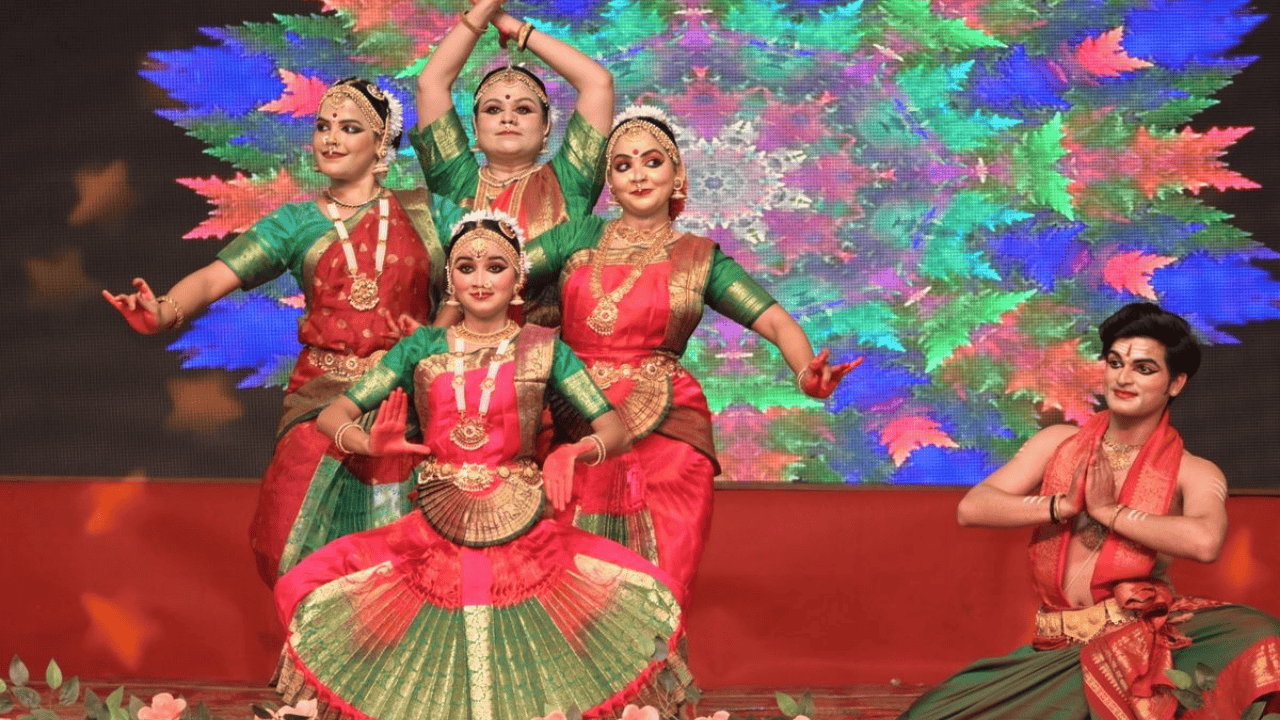
UPSC Current Affairs Today: Mao Naga Tribal Dance and Cultural Heritage of Manipur | Atharva Examwise Daily GK Update
Introduction to the Mao Naga Cultural Landscape
The rich ethnological mosaic of North-East India presents a vital domain for civil services candidates preparing for UPSC Current Affairs and General Studies Paper I (Art and Culture). Among the prominent indigenous communities of the region, the Mao Naga tribe occupies a central position in the cultural and historical landscape of Manipur and adjoining parts of Nagaland. Primarily inhabiting the northern hill district of Senapati (and extending into the Kangpokpi region) in Manipur, as well as parts of Nagaland, the Mao community maintains an agrarian-centered lifestyle deeply tied to customary traditions.
A vital geographical and historical landmark associated with the Mao Nagas is the village of Makhel (Makhrefii), situated in Senapati district. In Naga ethnology, Makhel is regarded as the ancestral origin and dispersion center for several Tenyimi Naga groups, including the Mao, Maram, Poumai, Angami, and Chakhesang tribes. Ethno-historical narratives recount that the dispersal from Makhel established shared cultural bonds across these communities, which continue to be reflected in their folk dances, agricultural rituals, and oral literature. To track comprehensive coverage on tribal culture and regional current news, candidates can consult the Atharva Examwise UPSC Daily Current Affairs portal.
Expressive Artistry and Characteristics of the Mao Dance
The traditional Mao tribal dance represents a living embodiment of the community's collective history, agrarian ethos, and reverence for natural forces. Performed as a communal art form during major seasonal transitions, rain invocations, harvesting, marriages, religious observances, and social celebrations, the dance integrates physical movement, vocal cadence, and symbolic attire.
The dance is executed in group formations where men and women perform either in separate gender lines or together in synchronized rows. Hand gestures are controlled and deliberate, synchronized with rhythmic foot movements and collective coordination that captivate observers. The dance is accompanied by traditional folk songs sung in unison, preserving ancestral stories and passing cultural knowledge to upcoming generations.
| Feature Dimension | Descriptive Details | Cultural and Visual Significance |
|---|---|---|
| Performance Structure | Group dance performed in linear rows or circular formations with rhythmic steps. | Reflects social cohesion, community discipline, and egalitarian values intrinsic to Naga village life. |
| Movement Patterns | Controlled hand gestures, synchronized footwork, and balanced collective coordination. | Depicts agrarian labor, nature worship, rain invocation, and historical warrior traditions. |
| Vocal Accompaniment | Traditional folk songs and chants sung by the dancers during the performance. | Preserves oral history, genealogical narratives, and agricultural folklore. |
| Male Attire | Handwoven traditional shawls, waistbands, and headpieces or crowns decorated with feathers. | Expresses tribal identity, ancestral respect, and historical valor. |
| Female Attire | Handwoven colorful attire, multi-stranded bead necklaces, bangles, and traditional jewelry. | Denotes clan heritage, marital status, and aesthetic craftsmanship. |
The attire worn during the Mao dance carries distinct colors and motifs that serve as visual markers of the community's cultural identity. For further study material on regional performing arts, candidates can explore the Atharva Examwise Art and Culture Notes.
Agrarian Calendar and Key Festivals: Saleni and Chiithuni
The seasonal calendar of the Mao Naga tribe is aligned with the paddy cultivation cycle, marked by customary festivals where dance and ritual purifications play a central role.
The Saleni Festival
Celebrated annually in the Mao lunar month of Salekhro (July), Saleni marks the successful completion of paddy transplantation across hill terraces and valleys. The festival lasts five days and emphasizes male sanctification, community health, and social solidarity.
Machakozii Purification: On the first day, men undergo early-morning purification baths in natural village ponds, signifying spiritual cleansing.
Nijiini Rituals: On the second day, traditional food offerings are presented to express gratitude for male children born during the year.
Lerii Kaphi War Game: In villages such as Pudunamei, the Saleni festival features Lerii Kaphi, a traditional mock war game played using the sturdy stems of cardamom plants. Teams from upper and lower village sectors engage in friendly combat, symbolizing historical inter-village defense maneuvers.
Nolokope Kinship Bonding: The third day involves honoring married women residing in other villages, who receive gifts of raw meat and rice from their parental families.
The Chiithuni Festival
Known as the "Feast of Dawn", Chiithuni is the principal New Year and post-harvest thanksgiving festival of the Mao Nagas. Spanning six days starting on the 25th day of Chuthunikhro (late December to early January), it celebrates the safe storage of harvested crops into barns.
Thanksgiving to Oramai: The community expresses gratitude to the divine creator (Oramai) for life, health, and bountiful harvests of paddy and millet.
Oshu Kope Rites: On the third day, men venture into village outskirts to capture forest birds bare-handed, a symbolic practice linked to good luck and vitality.
Chisiilopra Processions: Festivities extend into February with communal marches to nearby hill slopes such as Pfuki Peak, featuring competitive games, traditional attire, and folk singing.
| Festival | Lunar Period | Agricultural Stage | Core Ritual Focus |
|---|---|---|---|
| Saleni | Salekhro (July) | Post-paddy transplantation | Male purification (Machakozii), Lerii Kaphi game, and honoring married women (Nolokope). |
| Chiithuni | Chuthunikhro (Dec–Jan) | Post-harvest / New Year | Thanksgiving to Oramai, bird-catching (Oshu Kope), and hill processions. |
Official updates regarding cultural documentation and tribal development can be referenced via the Press Information Bureau (PIB) and the official Senapati District Administration Portal.
Anthropological Insights: Feasting Traditions and Comparative Performing Arts
Anthropological studies on the Mao and Maram Nagas highlight the role of customary feasting institutions, such as the Feast of Merit, in maintaining social equilibrium. In traditional village setups, accumulating agricultural surplus alone did not guarantee high status; social prestige was derived by redistributing wealth through community feasts. Host families provided food, rice-beer, and meat to the entire village, transforming material wealth into moral authority and community goodwill. Strict ritual observances (Genna) accompanied these events, emphasizing family cooperation and spiritual obligations.
North-East Indian Tribal Arts Framework
To assist aspirants in developing a comparative understanding for competitive examinations, the table below outlines major performing arts and festivals across North-Eastern states:
| State / Tribe | Art Form / Festival | Key Features & Agricultural Context |
|---|---|---|
| Manipur (Mao Naga) | Mao Tribal Dance / Saleni & Chiithuni | Group dance honoring rain deities, agricultural cycles, and communal unity. |
| Manipur (Poumai Naga) | Poumai Dance (Asah-do, Rieh-do) | Features prosperity (Asah-do) and war dances (Rieh-do) in traditional Roh-lai diadems. |
| Nagaland (Lotha Naga) | Nzanta Dance | Group performance by Lotha women showcased during cultural celebrations. |
| Mizoram | Cheraw (Bamboo Dance) | Synchronized dance performed between moving bamboo staves. |
| Tripura (Reang/Bru) | Hojagiri | Balance dance performed on earthen pitchers during post-harvest periods. |
| Meghalaya (Garo) | Wangala | Post-harvest hundred-drum festival dedicated to the Sun God Saljong. |
Why this matters for your exam preparation
Studying the cultural heritage of North-East India is essential for civil services aspirants preparing for UPSC CSE, State PCS, and other competitive examinations. The topic directly connects to multiple sections of the examination syllabus.
Key Exam Dimensions
UPSC Prelims (Art & Culture & Geography): Objective questions frequently test geographical distributions of ethnic groups, such as identifying the Mao Naga tribe with Senapati and Kangpokpi districts in Manipur and adjacent Nagaland regions. Questions may also cover agrarian festivals (Saleni, Chiithuni) and indigenous games (Lerii Kaphi).
UPSC Mains (GS Paper I & Optionals): Provides concrete examples for analytical questions regarding how intangible cultural heritage, folk music, and traditional dances preserve community history and ecological wisdom in non-literate traditions. Candidates taking Sociology or Anthropology optionals can utilize concepts like the Feast of Merit and Genna as real-world cases of wealth redistribution and moral economy.
Current News Context: Promotes awareness of government initiatives aimed at preserving North-Eastern heritage, such as cultural showcases hosted by the Ministry of Culture and DoNER.
High-Yield Fact Summary for Quick Revision
Tribe & Location: Mao Naga tribe, inhabiting Senapati and Kangpokpi districts (Manipur) and border areas of Nagaland.
Cultural Cradle: Makhel village, regarded as the historic origin point for Tenyimi Naga groups.
Dance Characteristics: Group dance with synchronized footwork, controlled hand gestures, traditional attire (feathered crowns, handwoven shawls), and folk singing.
Flagship Festivals: Saleni (July paddy transplantation festival featuring Machakozii purification and Lerii Kaphi cardamom stem war game) and Chiithuni (December–January post-harvest New Year festival).
Socio-Anthropological Institution: Feast of Merit, where agricultural surplus is publicly shared to reinforce social cohesion.
For structured study guides, daily GK updates, and mock test series tailored for UPSC preparation, explore the resources available on the Atharva Examwise Platform.