UPSC Current Affairs July 20, 2026: Major Navya Shekhawat Appointed as First Woman Army ADC to the President | Daily GK Update
Landmark Breakthrough in Gender Representation: Major Navya Shekhawat Appointed as President's ADC
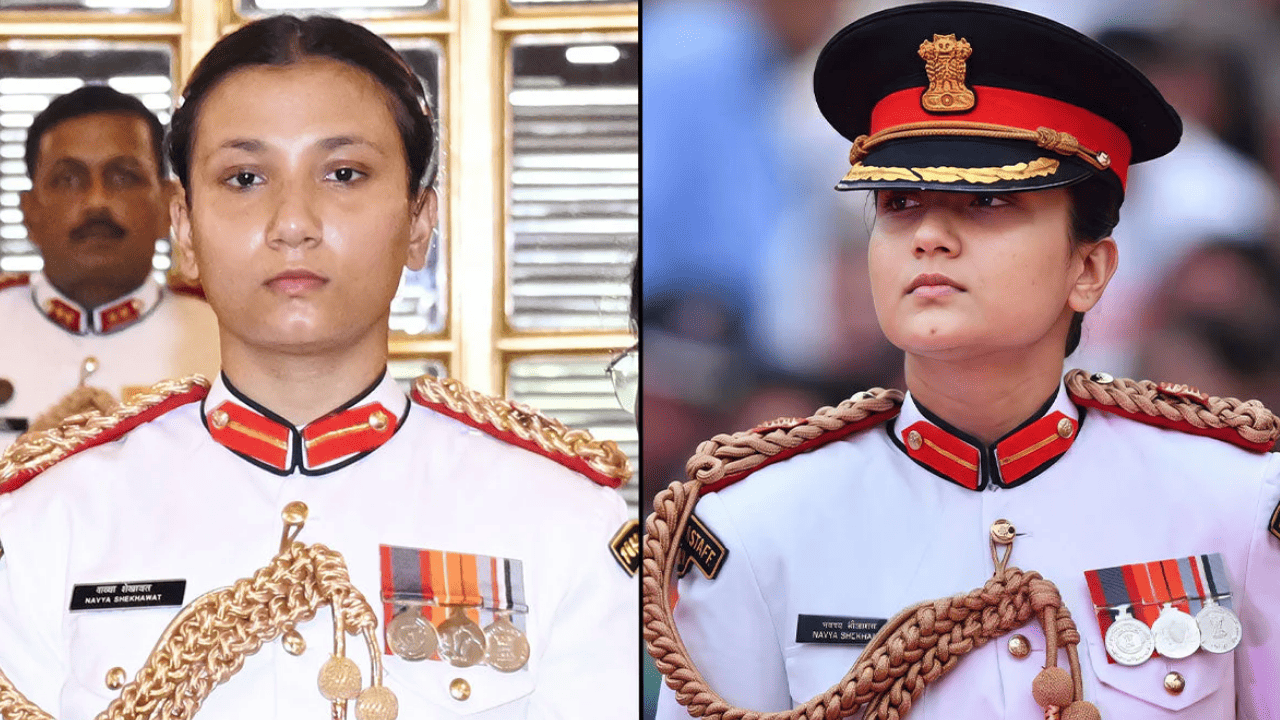
The narrative of gender integration within the Indian Armed Forces has advanced with the appointment of Major Navya Shekhawat as the Aide-de-Camp (ADC) to the President of India, Smt. Droupadi Murmu. Operating at the Rashtrapati Bhavan, Major Shekhawat has made history as the first female officer from the Indian Army to be designated for this highly prestigious staff position. Historically, this elite role has been a male-dominated preserve, but contemporary institutional reforms are increasingly aligning military leadership opportunities with professional merit.
For candidates monitoring UPSC current affairs on the Atharva Examwise platform, this development is a critical touchpoint for analyzing institutional restructuring and gender policy within public services. Major Shekhawat's appointment marks the second time a woman officer has entered this exclusive presidential inner circle, succeeding the pioneering appointment of Lieutenant Commander Yashasvi Solanki of the Indian Navy in May 2025.
Hailing from Kerpura village in the Sikar district of Rajasthan, Major Shekhawat's path from a defense aspirant to the corridors of the highest constitutional office of the Republic highlights the standard recruitment and upward mobility pathways designed by the military.
The Elite Cadre of Aides-de-Camp in India: Structure and Responsibilities
The role of an Aide-de-Camp (French for camp or field assistant) is highly coveted and demanding. Serving as personal staff to the President, an ADC manages highly sensitive ceremonial and administrative duties. They stand as direct representatives of the military's professionalism and dignity during state visits, investiture ceremonies, diplomatic functions, and official military engagements.
The President of India, who functions as the Supreme Commander of the Armed Forces, is assisted by five active-duty ADCs. The distribution of these personal staff positions is strictly balanced across the branches of the military to maintain tri-service integration:
| Service Branch / Source | Number of Appointees | Active Mandate and Operational Responsibilities |
|---|---|---|
| Indian Army | $3$ | Responsible for coordinating land-force protocols, security during internal transits, and managing military engagements. |
| Indian Navy | $1$ | Manages maritime coordination, naval protocol, and acts as a direct link to the Naval Headquarters. |
| Indian Air Force | $1$ | Oversees aerospace protocol, state flight coordination, and air travel-related security arrangements. |
| Territorial Army | $1$ (Honorary) | Appointed at the President's discretion to recognize highly distinguished reserve service. |
Selection Mechanism and Professional Requirements
Securing an ADC posting requires meeting exceptional professional standards. The selection is governed by a rigorous internal military evaluation process, which includes the following strict parameters:
Service Experience: Officers are typically selected with five to seven years of active commissioned service.
Performance Record: Selection is based on an exemplary service record, demonstrating superior discipline, high physical fitness, and outstanding officer-like qualities (OLQs).
Linguistic and Communication Skills: Fluency in English and at least one Indian language is mandatory, as ADCs must coordinate directly with the President, senior government officials, and foreign dignitaries.
Evaluation and Clearance: Shortlisted candidates undergo evaluations at the Rashtrapati Bhavan, personal interviews with high-level selection committees, and comprehensive background security clearances before formal appointment.
Educational and Career Trajectory of Major Navya Shekhawat
Major Navya Shekhawat's career trajectory serves as an informative blueprint for aspirants pursuing careers in the uniform through competitive exam preparation portals.
Her journey began through the Combined Defence Services (CDS) Examination conducted by the Union Public Service Commission (UPSC). Following her selection, she was added to the merit list of the Short Service Commission (Women Non-Technical) Course at the premier Officers Training Academy (OTA) in Chennai. Her rigorous physical and tactical training at the academy prepared her for commissioning into the Army Service Corps (ASC).
The ASC operates as the logistical backbone of the Indian Army, managing complex supply chains, multi-modal transport networks, fuel distribution, operational rations, and critical resource movement across diverse terrains. Performing duties within the ASC requires remarkable precision, project management skills, and resilience under high-pressure scenarios—attributes that directly contributed to Major Shekhawat's selection to the President’s personal staff.
Chronology of Women Officers Breaking Barriers in ADC Roles
The gradual integration of women into high-profile administrative and ceremonial roles has been a long-term process. While combat arms often draw significant public attention, the administrative, logistical, and intelligence cadres have paved the way for major historical breakthroughs.
The following table contextualizes Major Shekhawat’s appointment within the broader historical timeline of female officers serving as ADCs in India:
| Officer Appointed | Service Branch | Specific ADC Designation | Context and Institutional Significance | Date of Appointment |
|---|---|---|---|---|
| Lieutenant Ganeve Lalji | Indian Army (Intelligence Corps) | ADC to an Army Commander | Appointed to Lt. Gen. Rajan Bakshi (Central Command); marked the first time in Indian Army history that a female officer assumed an ADC post. | July 1, 2013 |
| Squadron Leader Manisha Padhi | Indian Air Force | ADC to a State Governor | Appointed by the Governor of Mizoram, Dr. Hari Babu Kambhampati; marked India's first-ever female gubernatorial ADC. | November 29, 2023 |
| Lieutenant Commander Yashasvi Solanki | Indian Navy (Naval Armament Inspection Cadre) | ADC to the President of India | Served under President Droupadi Murmu; marked the first female naval officer and first woman overall appointed as a presidential ADC. | May 9, 2025 |
| Captain Shivani | Indian Army | ADC to the Chief of the Army Staff (COAS) | Appointed to General Dhiraj Seth; marked the first-ever female ADC to the senior-most military leader of the Indian Army. | July 20, 2026 |
| Major Navya Shekhawat | Indian Army (Army Service Corps) | ADC to the President of India | Serves under President Droupadi Murmu; marks the first female Army officer to secure this high-profile presidential staff position. | July 2026 |
Strategic and Institutional Significance of the Shift
To construct comprehensive analytical answers for written competitive examinations, aspirants must view Major Shekhawat’s appointment as part of a wider structural and legal evolution within the defense forces:
1. Transition from Short Service to Permanent Commissions
Initially introduced in 1992, the induction of women via the Short Service Commission (SSC) route was limited to tenures of 10 to 14 years in non-combat support roles, with no avenues for command, pension, or long-term career planning. However, the landmark Supreme Court of India judgment of February 2020 directed the armed forces to grant Permanent Commissions to eligible women officers. This legal mandate dismantled career ceilings, enabling women to command active units, lead international military deployments, and qualify for high-responsibility staff roles like the ADC.
2. Supporting Jointness and Theaterisation Initiatives
In December 2024, the military announced that starting January 1, 2025, personal staff officers for the service chiefs would be appointed from sister services to foster joint integration. This reform is a step toward the "theaterisation" of the armed forces—a process initiated with the appointment of the first Chief of Defence Staff (CDS), General Bipin Rawat, in 2020. The inclusion of diverse officers, including female representatives from different branches, on the personal staffs of the COAS and the President reflects this push for structural integration and modernization.
3. Diplomatic Visibility and "Nari Shakti"
The ADC represents the dignity of the Indian Armed Forces directly alongside the Head of State during high-level diplomatic visits and international ceremonies. Placing highly competent female officers in these visible roles projects a progressive image of the nation’s defense forces, showcasing a modern, professional, and inclusive military environment.
Why this matters for your exam preparation
For candidates preparing for competitive exams, understanding the broader context of this appointment is crucial for both objective and descriptive portions of the papers:
Key Exam-Relevant Facts for Quick Revision
The Appointment: Major Navya Shekhawat is the first woman Army officer, and the second female officer overall, to serve as ADC to the President of India.
The Precedent: Lieutenant Commander Yashasvi Solanki was the first female officer overall to serve as presidential ADC (May 2025).
The Structure: The President is assisted by five ADCs (three from the Army, one from the Navy, and one from the Air Force).
Gubernatorial Precedent: Squadron Leader Manisha Padhi became the first female gubernatorial ADC in India (Mizoram, November 2023).
COAS Precedent: Captain Shivani became the first-ever female ADC to the Chief of the Army Staff in July 2026.
Relevance Across UPSC CSE Syllabus Papers
GS Paper II (Polity and Governance): Highly relevant for topics concerning constitutional offices, gender equality policies, and structural reforms within administrative institutions. Major Shekhawat's journey highlights how executive policy changes and judicial interventions align traditional institutions with the constitutional mandates of equality.
GS Paper III (Internal Security and Defense): Directly applicable to discussions on security reforms, human resource management within the Indian Armed Forces, jointness, and the ongoing modernization of defense personnel policies.
Essay and Personality Test: Serves as an excellent illustrative case study of Nari Shakti (women empowerment). Candidates can utilize this case study to argue that merit-based, inclusive administrative structures are vital for the efficient governance of democratic institutions.