
UPSC Current Affairs | June 4, 2026: Will a New Era of Plastic Currency Begin in India? Atharva Examwise Current News, Daily GK Update, and Competitive Exam News Today
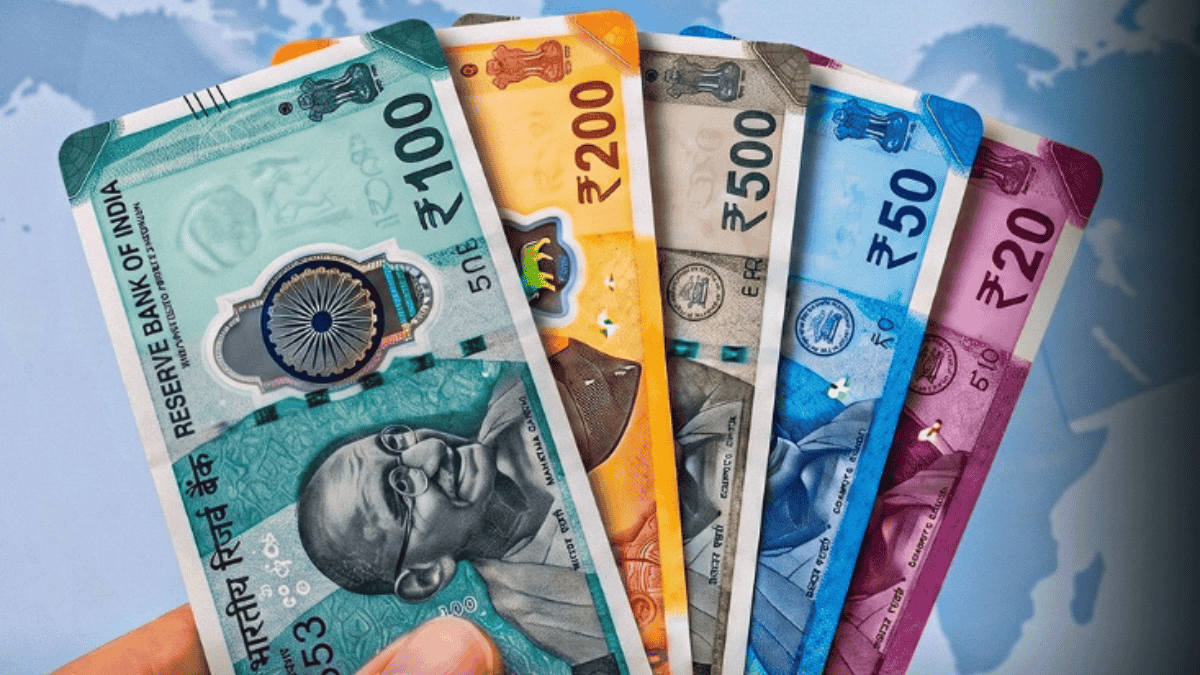
The Reserve Bank of India (RBI) is actively considering reviving its decade-old plan to introduce polymer (plastic) banknotes across the country. This significant policy initiative was recently discussed in detail during the central bank's board meetings held in Patna and Mumbai. This strategic move is being viewed as a viable solution to tackle the country's continuously rising printing costs and the severe challenge of managing soiled banknotes. In this segment of competitive exam news today, we present a holistic analysis of the technical, economic, and administrative dimensions of this multi-faceted policy, which is highly crucial for your UPSC and daily GK update preparation.
Introduction and Policy Background
Managing physical cash in India has always been a complex economic challenge. Although the country has witnessed an unprecedented surge in digital payment systems (such as UPI), the general public's preference for cash transactions remains strong. Recent RBI surveys indicate a robust preference for cash among small traders and consumers, causing the currency-to-GDP ratio to rise from 11.7% in the financial year 2024–25 (FY25) to 12.1% in the financial year 2025–26 (FY26).
Due to this high cash usage, low-denomination paper notes (especially ₹10 and ₹20) get soiled and torn very quickly. To address this issue, the central bank is now preparing to introduce polymer (plastic) notes as a pilot project.
Polymer Notes vs. Paper Notes: Technical and Physical Differences
Traditionally, Indian banknotes are printed on a paper substrate made of cotton rag. While this material gives the banknotes a distinctive feel, it falls short on the scale of durability. In contrast, polymer banknotes are manufactured from a thin, flexible plastic substrate known as Biaxially Oriented Polypropylene (BOPP).
The comparative characteristics of both mediums are clearly outlined in the table below:
| Physical & Technical Parameter | Paper Notes (Cotton Rag-Based) | Polymer Notes (Plastic-Based) |
|---|---|---|
| Primary Component Material | Cotton fibers, wood pulp, and synthetic fibers | Biaxially Oriented Polypropylene (BOPP) film |
| Average Lifespan | Highly limited; rapid deterioration, especially in low-denomination notes | 3 to 4 times more durable than cotton paper notes |
| Physical Resistance | Prone to quick destruction by moisture, water, sweat, dust, and folding | Completely waterproof; highly resistant to tearing and folding |
| Hygiene | Porous surface leads to accumulation of dust, dirt, and bacteria | Non-porous surface, preventing bacteria and grime from sticking |
| Initial Printing Cost | Relatively low and economical | Significantly higher printing cost due to advanced substrate and inks |
| Recyclability | Shredded and destroyed at the end of their lifespan | 100% recyclable; can be converted into industrial plastic products |
Key Data and Economic Analysis of the Indian Cash Economy
Data from the RBI’s annual reports highlight the massive expenditure incurred on currency printing and physical replacement in the country. This expenditure peaked in the financial year 2024–25, underscoring the need for long-term reduction strategies.
Detailed metrics on Indian currency operations and counterfeiting are presented in the following table:
| Macroeconomic Indicators | Financial Year 2024–25 (FY25) | Financial Year 2025–26 (FY26) |
|---|---|---|
| Total Currency Printing Expenditure | ₹6,372.8 crore | ₹4,875.2 crore |
| Soiled Notes Withdrawn from Circulation | 23.8 billion pieces | Extremely high operational volume (dominance of ₹500 and ₹100 notes) |
| Total Value of Currency in Circulation (CiC) | ~₹38.44 lakh crore (Estimated) | ₹41.24 lakh crore (as of March 31, 2026) |
| Counterfeit Notes Detected | 217,396 pieces | 229,746 pieces |
| Number of Counterfeit ₹500 Notes | 117,765 pieces (Estimated) | 141,907 pieces (20.5% annual increase) |
| Bank Detection Rate for Counterfeit Notes | — | 97.6% |
A deeper analysis of this economic structure reveals that although printing expenditure decreased to ₹4,875.2 crore in FY26 (as the RBI reduced its fresh note indent from 3.03 lakh pieces to 2.81 lakh pieces), the recurring cycle of withdrawing soiled notes heavily burdens the economy.
Particularly after the near-complete withdrawal of ₹2000 notes (with 98.45% having returned to the banking system), the ₹500 note has become the backbone of our cash economy, accounting for 41.2% of the total volume and 85.5% of the total value of notes. A 20.5% spike in counterfeiting cases within these high-denomination notes poses a serious challenge to national security and financial stability. Polymer notes can incorporate security features such as transparent windows, specialized holograms, and multi-layered printing, making them nearly impossible for counterfeiters to replicate.
India’s Previous Polymer Trials and Technical Timeline
The idea of adopting plastic currency in India was first formally put into practice in 2012. The central government and the RBI at the time approved a field trial of 1 billion polymer notes of ₹10 denomination to assess their behavior under diverse geographical and climatic conditions.
The five major cities selected for this pilot project are detailed below:
| Selected City | Geographical Location | Target Climatic Condition |
|---|---|---|
| Kochi | Coastal South India | High humidity and heavy coastal rainfall |
| Mysore (Mysuru) | Deccan Plateau | Temperate and semi-arid climate |
| Jaipur | Western Desert Region | Extreme heat and arid desert environment |
| Bhubaneswar | Eastern Coastal Region | High temperatures and tropical cyclonic humidity |
| Shimla | Northern Mountainous Region | Extreme cold and alpine seasonal conditions |
Reasons for the Failure of the 2012 Trials
The primary objective of the 2012 trials was to measure the longevity and durability of the notes. However, the initiative remained limited due to the following technical and operational hurdles:
ATM Incompatibility: The ATMs and automated cash-sorting machines of that era were not configured to handle the thickness and slickness of these plastic notes, leading to severe dispensing errors.
Physical Operational Challenges: The public found it difficult to fold and store plastic notes, and instances of notes sticking together in machines (due to static charge) were common.
Current Technical Readiness (2026)
Recent board meetings clarified that these decade-old technical disruptions have now been completely resolved. Modern currency processing systems and ATM sensor technologies have been upgraded, enabling them to identify and count polymer notes flawlessly.
Parallel Strategies: Varnished Notes and Security Upgrades
Since a large-scale currency replacement program cannot be implemented overnight, the RBI is currently working on a two-pronged parallel strategy:
Varnished Notes Trial: To extend the lifespan of paper notes, trials of varnished banknotes are underway at the Bharatiya Reserve Bank Note Mudran Private Limited (BRBNMPL) unit in Mysuru. This method involves applying a special lacquer coating over paper notes, protecting them from water and dirt accumulation.
Antimicrobial and Advanced Security Notes: Starting in phases from mid-2026, newly issued notes will incorporate anti-microbial and anti-bacterial chemical treatments within their substrate to ensure public health safety.
Global Scenario and Analysis of Experiences
Globally, polymer notes have a rich history backed by the experiences of various nations.
Historical Origins: In the early 1980s, Haiti, Costa Rica, and the Isle of Man first experimented with plastic currency using a synthetic material called 'Tyvek', developed by the DuPont company. However, due to printing and durability issues, these experiments failed.
Australia’s Success: The real credit for modern polymer technology goes to Australia, which, with the help of research by scientist David Solomon, issued the first successful $10 polymer note in 1988 and completely transitioned its currency system to polymer by 1996.
Other Global Adopters: Today, more than 60 countries partially or fully utilize polymer notes. Papua New Guinea was the second country after Australia to adopt modern polymer. Canada fully adopted it in 2011, followed by the Bank of England (UK) in 2016. However, major global currencies like the US Dollar are still printed on traditional cotton-linen blends.
Potential Implementation Challenges and Drawbacks
Despite the undeniable benefits of polymer banknotes, several inherent operational and practical challenges persist in large-scale implementation:
Creasing Resistance: Unlike paper notes, polymer notes have lower elasticity. If forced to fold, they develop a permanent crease, which later causes jamming in cash-sorting machines.
Smooth and Slippery Surface: The polymer surface is very smooth, making manual counting difficult. When wet, these notes tend to stick together, which can disrupt daily operations in commercial banks.
Temperature Sensitivity: In countries with extremely high temperatures (such as Nigeria), these notes have faced issues of shrinkage and fading ink, which could pose a significant challenge during Indian summers.
Religious and Ethical Controversies: "Tallow" (animal fat) is used as a stabilizer in manufacturing polymer substrates. In the past, this sparked large-scale protests by vegan and religious organizations in the United Kingdom. In a culturally sensitive country like India, this could turn into a major social controversy.
Why This Matters for Your Exam Preparation
From the perspective of the Union Public Service Commission (UPSC) Civil Services Main Examination, General Studies Paper-3 (GS Paper III - Indian Economy, Internal Security, and Infrastructure), these shifts in India's currency management policies are highly relevant. This topic links directly with national financial policies, government expenditure management, and technological innovations.
Economic Development and Monetary Policies (GS-III): This policy shift helps civil services aspirants understand core concepts like the cash economy, velocity of money, and currency-to-GDP ratios. Furthermore, this data is critical for analyzing the fiscal impact of printing costs on the national exchequer.
Internal Security and Financial Sovereignty (GS-III): The protective role of polymer substrates in curbing the menace of Fake Indian Currency Notes (FICN) and their utilization in anti-national activities serves as an excellent case study for security-related questions in the Main exam.
Environment and Sustainable Development (GS-III): Unlike traditional cotton- and pulp-based notes, the 100% recyclability of polymer notes at the end of their lifespan aligns perfectly with 'Circular Economy' principles and environmental protection standards, making it a prominent topic for essays and the environment section.
To read regular analyses of the latest national and international economic reforms and comprehensive discussions, make sure to study other materials available on the Atharva Examwise current news portal.