UPSC Current Affairs May 22, 2026: Dr. Krithi Karanth Wins Rolex National Geographic Explorer of the Year | Daily GK Update
Introduction: A Historic Milestone for Indian Conservation
Welcome to the Atharva Examwise current news desk. In today's daily GK update, we cover a monumental achievement for the Indian environmental and scientific community. Renowned Indian conservation biologist and scientist, Dr. Krithi K. Karanth, has officially been named the 2026 Rolex National Geographic Explorer of the Year.
With this prestigious recognition, Dr. Karanth has etched her name in history as the first Indian and South Asian recipient to secure this global honor. This development is a highly relevant addition to competitive exam news today, especially for aspirants tracking ecological governance, environmental conservation, and women trailblazers in science.
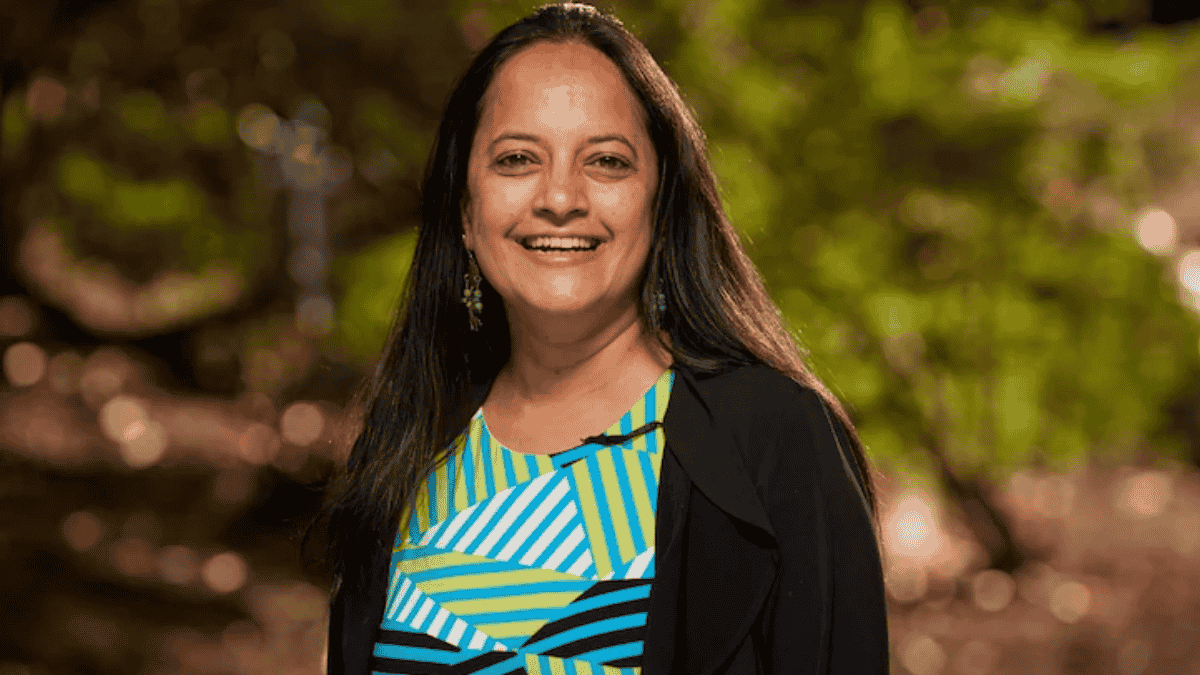
As showcased in the image above, a cornerstone of Dr. Karanth's strategy involves early childhood education and direct community alliance. Rather than pursuing exclusionary environmental policies that keep people out of forests, her initiatives focus on bridging the gap between local populations and their local wildlife. Here, she is seen conducting a session for her signature Wild Shaale initiative, using interactive, story-driven booklets to help kids understand and safely coexist with surrounding apex predators.
Key Highlights & Exam-Relevant Data
For your UPSC current affairs preparation, here is the essential structural data regarding Dr. Krithi Karanth's work and her organization, the Centre for Wildlife Studies (CWS):
The Global Distinction: Honored as the 2026 Rolex National Geographic Explorer of the Year for her transformative solutions to human-wildlife coexistence.
Institutional Leadership: She serves as the Chief Executive Officer (CEO) of the Bengaluru-based Centre for Wildlife Studies (CWS).
Decades of Service: Over a career spanning nearly 30 years, her primary fieldwork has targeted tiger monitoring, assessing species extinction patterns, and mitigating severe human-animal friction.
Academic Output: Author of more than 100 high-impact scientific research papers addressing land-use change, hunting, wildlife tourism, and community resettlement.
Grassroots Footprint: Under her leadership, CWS has successfully scaled conflict resolution mechanisms across 7,000 villages spanning 8 major Indian states.
Educational Outreach: Her programs have reached over 1,600 rural schools, systematically training and inspiring more than 72,000 children.
Agricultural Alignment: Connected 10,000 farmers to sustainable, wildlife-friendly agricultural practices to prevent economic losses and stop retaliatory hunting.
Protected Area Impact: Currently actively training local communities across more than 100 wildlife sanctuaries and reserves in India.
Transformative Programs for Human-Wildlife Coexistence
To effectively tackle severe human-wildlife encounters near India's shrinking forest edges, Dr. Karanth engineered highly scalable programs that serve as an excellent case study for administrative case handling:
1. Wild Seve (Conflict Mitigation & Remittance)
A technology-driven community support system that provides a toll-free number for rural families affected by crop damage, property loss, or livestock predation by wild animals like tigers and elephants. The program assists families in filing and fast-tracking government ex-gratia compensation, significantly dropping financial vulnerability and reducing the likelihood of retributive hunting.
2. Wild Shaale (Conservation Education)
An experiential learning program implemented across forest-edge schools. It uses art, storytelling, and local languages to transform the visceral fear of wild animals into empathy and long-term ecological stewardship.
3. Wild Surakshe (Community Safety & Health)
An initiative conducting safety and public health workshops for forest workers, health workers, and community leaders to build shared partnerships, strengthen safety measures, and handle zoonotic diseases.
Internal Link Reference: For a deeper dive into India's flagship species conservation frameworks, read our comprehensive analytical guide on Project Tiger and Community Conservation Models on Atharva Examwise and keep track of daily shifts through our Daily Current Affairs Compilation.
Why this matters for your exam preparation
This current affairs update holds immense structural value across multiple tiers of competitive examinations, particularly the UPSC Civil Services Examination:
GS Paper III (Environment & Biodiversity): This case study provides perfect, real-world fodder for answers on Human-Wildlife Conflict (HWC), community-based conservation, and sustainable development. You can directly cite Dr. Krithi Karanth's work (and CWS's Wild Seve or Wild Shaale models) when writing mains answers on how India can balance its population pressure with apex predator conservation.
GS Paper IV (Ethics & Aptitude): A brilliant contemporary example of empathetic leadership, environmental ethics, and innovative problem-solving in public administration and grassroots governance.
Essay Paper: Serves as a strong real-world anchor for essays centered on biodiversity preservation, women trailblazers in STEM, or harmonizing human economic progress with nature.
Prelims / Daily GK Update: High probability for direct objective questions regarding major international environmental awards, pioneering Indian recipients, and organizations like the Centre for Wildlife Studies (CWS).