
UPSC Current Affairs 2026: The Rise of Cancer Immunotherapy and India's Health Sovereignty – Atharva Examwise Daily GK Update
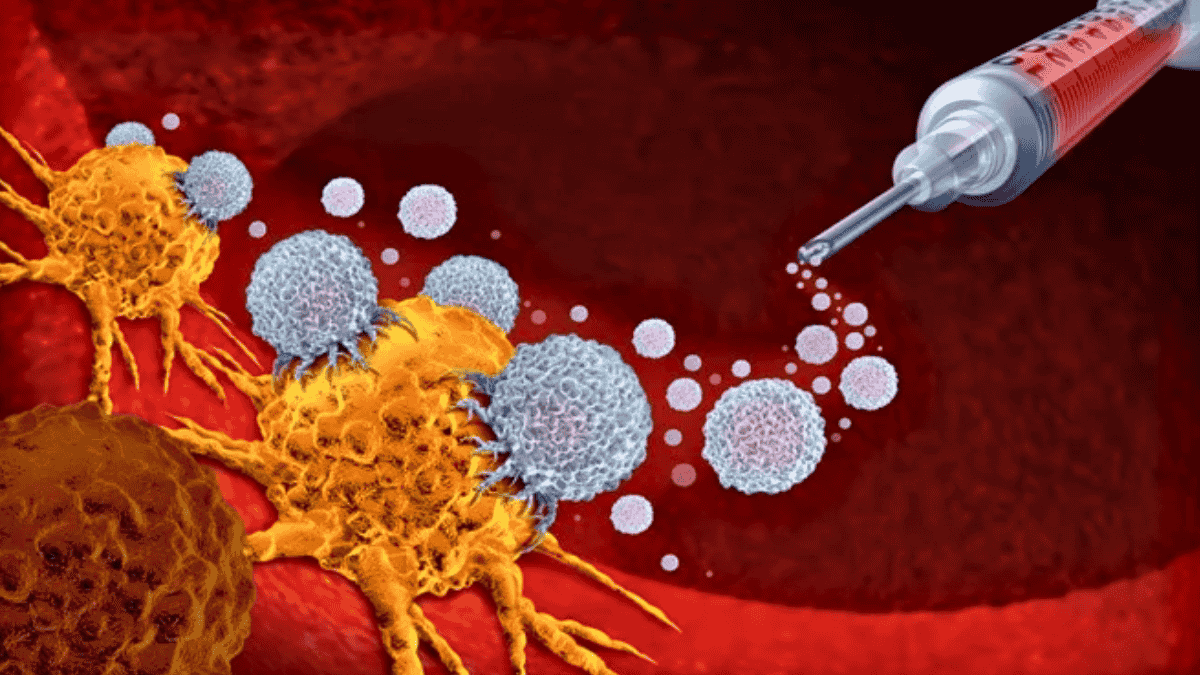
The year 2026 is witnessing a revolutionary shift in the direction of global health security. Cancer, which remained an insurmountable challenge for humanity for decades, has now entered a new era of scientific research. According to latest reports as of April 20, 2026, traditional cancer treatment modalities like chemotherapy and radiotherapy are now integrating with 'Immunotherapy' to provide a new lease on life to patients. After nearly 100 years of intensive research, scientists have succeeded in developing the body's own Immune System as a weapon against cancer cells.
In this special edition by Atharva Examwise, we will conduct an in-depth analysis of Immunotherapy, India's first indigenous CAR-T cell treatment 'NexCAR19', and the government's latest health policies from the perspective of UPSC and other competitive examinations.
The Global and National Landscape of Cancer in 2026: A Statistical Analysis
The global status of cancer remains extremely challenging in 2026. According to data, approximately 2.1 million new cancer cases and 626,000 deaths are estimated in the United States alone by 2026. In the Indian context, the situation is even more severe. The cancer incidence rate in India, which was 84.8 per 100,000 in 1990, has increased to 107.2 per 100,000 by 2023.
| Description | Year 2023-24 (Actual) | Year 2026 (Projected) | Year 2045 (Projected) |
|---|---|---|---|
| New Cases in India | 1.6 Million | 1.75 Million | 2.456 Million |
| Annual Deaths in India | 0.8 Million | 0.92 Million | 1.35 Million |
| Major Cancers (Male) | Lung, Head & Neck | Lung, Prostate | Lung, Liver |
| Major Cancers (Female) | Breast, Cervical | Breast, Lung | Breast, Cervical |
An estimated 73.8% increase in cancer cases in India is exerting heavy pressure on health infrastructure. Against this backdrop, the Government of India has allocated approximately ₹1 lakh crore for the Ministry of Health in the Union Budget 2025-26, increasing the health sector's share to 1.97% compared to the previous year.
What is Immunotherapy? An In-depth Study of Biology and Mechanism
Immunotherapy, also known as 'Immuno-oncology', is a type of Biological Therapy. It trains or strengthens the body's immune system in such a way that it can identify and destroy cancer cells.
The Immune System and Cancer's 'Immune Evasion'
Under normal circumstances, the human immune system—comprising white blood cells (WBCs), lymph nodes, and the spleen—identifies and eliminates abnormal cells. However, cancer cells are extremely clever. They "hide" themselves from the immune system using the following methods:
Genetic Changes: Cancer cells make changes on their surface that make them invisible to immune cells.
Checkpoint Exploitation: They activate the 'off switches' (Checkpoints) of immune cells, causing the immune cells to stop attacking.
Tumor Microenvironment (TME): Cancer cells create a defensive layer around themselves that obstructs the entry of immune cells.
The primary objective of immunotherapy is to break these barriers. It provides the body with additional proteins or antibodies or 'supercharges' existing immune cells (such as T-cells).
Major Types of Immunotherapy
Understanding the different forms of immunotherapy is mandatory for competitive exams:
1. Immune Checkpoint Inhibitors (ICIs)
The immune system has 'checkpoints' (like PD-1 and CTLA-4) that prevent the immune response from becoming too powerful, ensuring healthy tissues aren't damaged. Cancer cells use these checkpoints to protect themselves. ICIs block these checkpoints, allowing T-cells to attack cancer freely.
Keytruda (Pembrolizumab): A famous drug targeting the PD-1 receptor, currently being used in lung, kidney, and breast cancers.
2. CAR T-cell Therapy (Chimeric Antigen Receptor T-cell Therapy)
This is a type of 'cell-based gene therapy'. T-cells are extracted from the patient’s blood and genetically engineered in a laboratory to recognize specific cancer antigens (like CD19). They are then grown into millions and infused back into the patient.
3. Monoclonal Antibodies (mAbs)
These are lab-created proteins that bind to specific targets on the surface of cancer cells. Some antibodies 'mark' cancer cells so the immune system can see them, while others directly block cancer growth.
4. Cancer Vaccines
These sensitize the immune system to cancer-specific antigens through vaccines. They can be Preventive (like the HPV vaccine) or Therapeutic.
India's Achievement: NexCAR19 and Indigenous Innovation
In October 2023, the Drugs Controller General of India (CDSCO) approved India's first indigenous CAR T-cell therapy, 'NexCAR19'. This achievement is a giant leap toward 'Make in India' and 'Atmanirbhar Bharat'.
Development and Collaboration
The development of NexCAR19 is the result of a tripartite collaboration between IIT Bombay, Tata Memorial Centre (TMC), and 'ImmunoACT' (a company incubated by IIT Bombay). Technical collaboration was also established with the National Cancer Institute (NCI) of the USA.
Technical Innovation: Use of Accutase
Researchers at IIT Bombay developed a new and gentle method for T-cell recovery. Instead of using the traditionally used 'Trypsin', the use of an enzyme called 'Accutase' keeps the outer membrane of lab-grown T-cells safe. This results in a higher survival rate of the cells, making them function more effectively once returned to the body.
Affordability
The most significant feature of NexCAR19 is its cost.
| Comparative Metric | International CAR-T (Kymriah/Yescarta) | India’s NexCAR19 |
|---|---|---|
| Cost (Approx.) | ₹3 Crore to ₹4 Crore ($400,000) | ₹30 Lakh to ₹40 Lakh |
| Success Rate | 70-80% | 70-73% |
| Side Effects | Severe Cytokine Storm & Neurotoxicity | Lower Cytokine Release Syndrome (CRS) |
This therapy is currently available in over 70 hospitals, with a target to bring the cost down to ₹10-20 lakh in the future.
Chemotherapy vs. Immunotherapy: A Detailed Comparison
UPSC aspirants must understand the difference between these two methods, as it is a crucial part of Science & Technology (GS-III).
| Feature | Chemotherapy | Immunotherapy |
|---|---|---|
| Mode of Action | Directly kills rapidly dividing cells | Trains the immune system to fight cancer |
| Precision (Targeting) | Systemic - also damages healthy cells | Targeted - primarily affects cancer cells |
| Major Side Effects | Hair loss, nausea, weakened immune system | Inflammation, rashes, flu-like symptoms, autoimmune issues |
| Duration of Result | Often shows rapid but temporary results | May take time but provides long-term 'Immune Memory' |
| Nature of Treatment | Based on chemical drugs | Based on biological agents (antibodies, cells) |
The greatest strength of immunotherapy is 'Immune Memory'. Once the immune system learns to identify cancer, it continues to monitor the body for cancer even after the treatment has ended.
New Research in 2025-26 and the Way Forward
Several new trends have emerged in the field of cancer research in 2025 and 2026, which are multiplying treatment efficacy.
1. Abscopal Effect and Radiation Combination
The combination of radiotherapy and immunotherapy gives rise to the 'Abscopal Effect'. The word 'Abscopal' is derived from the Latin 'ab' (away) and 'scopus' (target). When local radiotherapy is given to one tumor, the antigens released from there activate the immune system, causing non-irradiated tumors in other parts of the body to shrink as well.
2. Ultrasound and Immunotherapy
According to reports from November 2025, 'High-Intensity Focused Ultrasound' (HIFU) is being used to alter the tumor microenvironment (TME). Microbubble cavitation generated by ultrasound increases the permeability of blood vessels, allowing immunotherapy drugs to reach deeper within the tumor.
3. The Role of Artificial Intelligence (AI)
In 2026, AI is impacting every stage of cancer care. AI models like 'Muse Spark', trained with the collaboration of over 1000 doctors, are predicting molecular profiling of tumors and patient response to immunotherapy with 70-80% accuracy.
Government of India's Health Policies and Budget 2025-26
Steps taken by the government are highly relevant for the UPSC Mains examination.
Key Announcements of Budget 2025-26:
Day-Care Cancer Centers: The government plans to establish day-care cancer centers in every district hospital over the next three years. In 2025-26, 200 centers will be set up where patients can receive chemotherapy and other treatments without overnight hospitalization.
Customs Duty Exemption: Basic Customs Duty has been abolished on 36 life-saving drugs used in cancer treatment, reducing the cost of imported medicines.
Biopharma SHAKTI: This ₹10,000 crore scheme aims to make India a global hub for biologicals and biosimilars.
Global Initiatives: Quad Cancer Moonshot
In September 2024, India, the USA, Australia, and Japan jointly launched the 'Quad Cancer Moonshot' initiative to eliminate cervical cancer from the Indo-Pacific region. India also launched a national HPV vaccination campaign for 12 million girls aged 14 in early 2026.
AYUSH and Integrative Cancer Care
The Ministry of AYUSH, in collaboration with institutions like AIIMS and Tata Memorial, is researching evidence-based integrated treatment. The goal is to improve the Quality of Life of cancer patients by combining modern medicine with the preventive properties of Ayurveda.
Challenges and Limitations
Despite the success of immunotherapy, several challenges persist for a developing country like India:
Immune Resistance: This treatment does not work for every patient. New ways developed by tumors to hide from the immune system and low 'mutational load' are the main reasons.
Cost and Infrastructure: Although costs have decreased, a ₹30 lakh treatment remains out of reach for a large section of India's population. Furthermore, treatments like CAR-T require highly specialized laboratories, which are rare in rural areas.
Side Effect Management: Managing side effects like Cytokine Release Syndrome (CRS) requires Intensive Care Units (ICUs).
Counterfeit Drug Market: Due to high demand and high prices, an illegal market for immunotherapy drugs is thriving in India, posing a threat to patient safety.
Conclusion: 2026 and the Future Beyond
The war against cancer has shifted from 'Destruction' to 'Training'. Immunotherapy is not just a medical modality; it is a symbol of the victory of science and humanity. Through initiatives like NexCAR19 and Biopharma SHAKTI, India has proven that it is not only a manufacturing hub for generic drugs but can also lead the world in complex cellular and gene therapies.
In the future, the integration of Liquid Biopsy, AI-driven diagnostics, and personalized cancer vaccines will transform cancer from a fatal disease into a Manageable Chronic Condition.
Why this matters for your exam preparation
Latest developments in Cancer Immunotherapy and the health sector are important for UPSC from several perspectives:
General Studies Paper-III (Science & Technology): Direct questions can be asked on applications of Biotechnology, Genetic Engineering (CAR-T), and CRISPR technology. 'NexCAR19' is a prime example of India's indigenous innovation.
General Studies Paper-II (Social Justice & Health): 'Day-care Cancer Centers', the National Health Mission, and health allocations in Budget 2025-26 are important for questions related to policy formulation and implementation.
Preliminary Examination (Prelims): There is a high probability of MCQs based on technical terms like 'PD-1', 'CD19', 'T-cells', 'Accutase', and 'Abscopal Effect'.
International Relations (GS-II): Initiatives like 'Quad Cancer Moonshot' are excellent case studies of international cooperation and Health Diplomacy.
Essay: These facts can be effectively used in topics like "The Crisis of Science vs. Humanity" or "India's Path to Affordable Healthcare."
Empower your preparation with Atharva Examwise and stay connected with us for the latest current affairs.