UPSC Current Affairs March 2026: Entry of Nanoplastics into Blood and Brain – A Comprehensive Research Report on Human Health and Global Environmental Policy
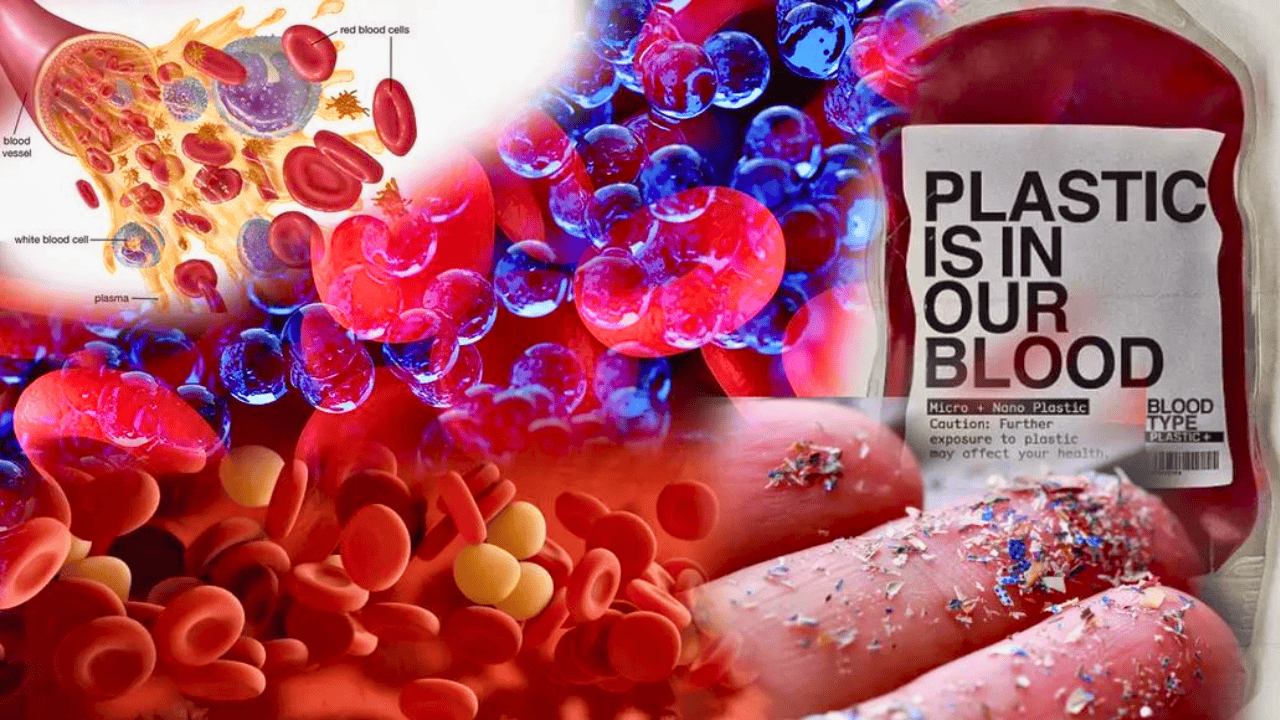
Human civilization has entered an era that scientists are now labeling the 'Plasticene.' Plastic is no longer just a part of our environment; it has become deeply embedded in our biological existence. Recent scientific research has proven that microscopic plastic particles—specifically nanoplastics—are breaching our internal defenses, entering human blood, lungs, heart, and even crossing the highly guarded Blood-Brain Barrier (BBB) to reach the brain. For UPSC and other competitive exam aspirants, this topic is critical not only for General Studies Paper-III (Environment and Science & Technology) but also for General Studies Paper-II (Public Health and Governance) and the Essay paper.
The Crisis of Minuteness: Classification of Microplastics and Nanoplastics
To understand the crisis of plastic pollution, one must first grasp the scales involved. The ability of these particles to enter the human body and bypass biological barriers depends entirely on their size.
Size and Physical Properties
The difference between microplastics and nanoplastics is not merely a matter of scale; it determines their behavior and toxicity levels. Microplastics are generally defined as plastic fragments smaller than 5 millimeters (mm). In contrast, nanoplastics are so minute they cannot be seen with the naked eye or a standard light microscope; their size is less than 1 micrometer ($\mu$m) or 1,000 nanometers (nm).
| Feature | Microplastics (MPs) | Nanoplastics (NPs) |
|---|---|---|
| Size Range | 1 $\mu$m to 5 mm | Less than 1 nm to 1 $\mu$m (1,000 nm) |
| Visibility | Visible under a light microscope | Visible only via Electron Microscopy (SEM/TEM) |
| Biological Penetration | Primarily accumulate in organs | Capable of entering cells and sub-cellular organelles |
| BBB Crossing | Difficult (only extremely small particles) | High permeability, accumulation in brain tissues |
| Environmental Behavior | Influenced by gravity and sedimentation | Driven by Brownian motion and surface energy |
Sources of Origin: Primary vs. Secondary
The origin of plastic particles can be divided into two main categories, which is vital from a policy perspective:
Primary Sources: These are particles intentionally manufactured in microscopic sizes for industrial and consumer use. This includes 'microbeads' in cosmetics (like face washes and toothpaste), industrial cleaners, and nano-particles used for drug delivery.
Secondary Sources: These are formed when larger plastic products—such as bottles, bags, fishing nets, and tires—break down into smaller fragments due to environmental factors like ultraviolet (UV) radiation, wave abrasion, and wind erosion.
Pathways into the Human Body: A Three-Dimensional Analysis
Nanoplastics enter our bodies through three primary routes: Ingestion, Inhalation, and Dermal Contact.
Ingestion: Contamination of the Food Chain
Consumption via food and water is the most documented route. It is estimated that an average person consumes between 78,000 to 211,000 microplastic particles per year.
Seafood: Filter feeders (like oysters and mussels) absorb plastics from seawater, which eventually reach the human dinner plate.
Drinking Water: The concentration of plastic particles in bottled water is significantly higher than in tap water. One study suggests bottled water can contain over 10,000 microplastic particles per liter.
Plastic Containers and Tea Bags: Heating food in plastic containers releases billions of nanoplastics. For instance, steeping a plastic tea bag in hot water releases approximately 11.6 billion microplastics and 3.1 billion nanoplastics.
Inhalation: The Atmospheric Plastic Cycle
The inhalation of airborne nanoplastics into the lungs has become a grave concern. These particles spread through the air from synthetic clothing (polyester, nylon), tire wear, and waste burning. The smaller the particle, the higher the likelihood of it reaching the lung alveoli and entering the bloodstream directly.
Dermal and Medical Contact
Nanoplastics come into contact with the skin through cosmetics and personal care products. While the skin is a robust barrier, absorption is possible through wounds or in the case of nano-sized particles. Additionally, the wear and tear of implanted medical devices (like artificial hip or knee joints) can generate nanoplastics directly inside the body.
Breach of the Blood-Brain Barrier: Threat to Brain Health
The most startling discovery is that nanoplastics are entering the human brain. The Blood-Brain Barrier (BBB) is a protective shield that guards the brain against harmful toxins, but the extreme fineness of nanoplastics allows them to penetrate it.
Mechanisms of Penetration
Nanoplastics can cross the BBB through several methods:
Endocytosis: Brain cells inadvertently "swallow" these plastic particles.
Paracellular Diffusion: Slipping through the tiny gaps between cells.
Impact on Pericytes: According to research by the UK Health Security Agency (UKHSA), nanoplastics accumulate in pericyte cells, which are responsible for maintaining the integrity of the BBB. This accumulation can damage these cells and weaken the brain's defense system.
Accumulation in the Brain and Link to Dementia
Researchers at the University of New Mexico found that the concentration of plastic in the brain is much higher than in other organs like the liver or kidneys. Over the last eight years, a 50% increase in plastic accumulation in the brain has been observed. The study also found that patients suffering from Dementia and Alzheimer’s had significantly higher plastic concentrations in their brains compared to healthy individuals. This plastic can interfere with signals between neurons and trigger the accumulation of harmful proteins.
Biological Toxicity: What Happens Inside the Cell?
When nanoplastics reach the inside of a cell, they do not remain as passive waste; they actively disrupt biological processes.
Mitochondrial Damage and Energy Crisis: Mitochondria are the 'powerhouses' of the cell. UKHSA experiments showed that exposure to nanoplastics slows down mitochondrial function within just 3 days. This creates Oxidative Stress, leading to waste buildup and the loss of the cell's energy-producing capacity, eventually resulting in cell death.
Neuroinflammation: The body recognizes plastic particles as foreign invaders, activating immune cells like microglia. This causes chronic inflammation, which damages brain tissue and increases the risk of neurodegenerative diseases like Parkinson’s.
The 'Trojan Horse' Effect: Nanoplastics have the ability to adsorb (attach to their surface) other harmful chemicals and pollutants. These particles act as carriers for heavy metals (like lead and cadmium) and pathogens, delivering them directly into cells and multiplying their toxicity.
Impact on Maternal and Fetal Health: Bypassing the Placenta
A 2021 study published in the Environment International Journal found microplastics in the human placenta for the first time. Subsequent studies found plastic particles in all 62 placental samples tested.
Risks to Unborn Infants
The placenta is the bridge between mother and fetus, providing nutrients and blocking harmful elements. Finding plastic in the placenta is extremely alarming because this tissue is only eight months old.
Preterm Birth: Research indicates that high concentrations of plastic in the placenta may increase the risk of premature birth.
Developmental Abnormalities: Nanoplastics can accumulate in fetal tissues, potentially hindering organ development.
Endocrine Disruption: Chemicals in plastic (like BPA) can disrupt the fetal hormonal balance, leading to long-term health consequences.
Plastic Types and Associated Health Risks
Different types of plastic polymers affect different organs:
| Polymer Type | Common Uses | Affected Organs / Health Risks |
|---|---|---|
| Polyethylene (PE) | Bags, bottles | Brain accumulation, placenta, vascular blockages |
| Polyvinyl Chloride (PVC) | Pipes, packaging, medical devices | Respiratory diseases, liver damage, endocrine disruption |
| Polystyrene (PS) | Disposable cups, packaging foam | Neurotoxicity, intestinal inflammation, cell death |
| Polyethylene Terephthalate (PET) | Soda bottles | Mitochondrial dysfunction, effects on kidneys and liver |
| Nylon (Polyamide) | Clothing, fishing nets | Lung inflammation, immune system changes |
Chemical Additives: The Danger of BPA and Phthalates
In addition to physical damage, the chemical additives in plastic pose severe risks. Bisphenol A (BPA) and Phthalates are common Endocrine Disrupting Chemicals (EDCs).
BPA Impact: It mimics the natural hormone estrogen, linked to obesity, type 2 diabetes, heart disease, and reduced fertility.
Phthalate Impact: Used to make plastic flexible, exposure is linked to ADHD in children, asthma, and behavioral issues.
Global Response: UN Plastic Treaty (2022–2026)
Recognizing the borderless nature of plastic pollution, a proposal was adopted at the UN Environment Assembly (UNEA-5.2) in March 2022 to develop an internationally legally binding treaty to end plastic pollution.
Current Status of Negotiations (INC-5.2 and INC-5.3)
As of March 2026, the world is divided into two clear blocs:
High Ambition Coalition (HAC): Led by the EU and many developing nations, they demand regulation of the entire plastic life cycle (from production to disposal) and global caps on 'virgin plastic' production.
Like-Minded Countries (LMC): Including Saudi Arabia, Russia, China, and Iran. They argue the treaty should focus only on waste management and recycling, not on reducing production.
India’s Stance: Balancing Growth and Environment
India has largely aligned with the LMC bloc, opposing strict limits on primary plastic production, arguing that it is essential for economic growth. However, India banned 19 types of Single-Use Plastics (SUP) starting July 1, 2022, and emphasizes the strict implementation of Extended Producer Responsibility (EPR).
India’s Regulatory Steps: Plastic Waste Management Rules 2024–2025
The Indian government has made significant amendments to tackle the emerging microplastic threat.
Key Points of the 2024 Amendment:
Definition of Nanoplastics and Microplastics: Rules now officially define microplastics as particles between 1 micron to 1,000 microns.
Strict Standards for Biodegradables: Manufacturers must prove their 'biodegradable' products leave behind no microplastics.
Mandatory Certification: Producers must obtain certificates from the Central Pollution Control Board (CPCB).
2025 Amendments and Targets:
Recycling Targets: Mandatory use of recycled plastic in packaging. For Category-I, it must be 30% by 2025-26, rising to 60% by 2028-29.
Central Online Portal: All Producers, Importers, and Brand Owners (PIBOs) must register and submit annual reports on the CPCB portal.
Expansion to Rural Areas: Jurisdiction has been extended to Gram Panchayats, as plastic pollution is now a major challenge in rural India.
Towards Solutions: Individual and Collective Efforts
Technological Innovation: Researchers are developing 'nano-robots' that can collect plastic particles from water.
Plastic-Free Lifestyle: Reducing the use of plastic bottles/containers, especially for hot food, and preferring natural fibers like cotton over synthetics.
Policy Reform: Promoting a 'Circular Economy' where plastic waste becomes a resource.
Conclusion: War Against an Invisible Enemy
The entry of nanoplastics into our brain and blood is a global emergency. This report makes it clear that 'cleaning up' is no longer enough; we must change the very fundamental ways we produce and consume plastic. For a developing nation like India, the challenge is twofold: ensuring economic progress while protecting the biological health of its citizens.
Why this matters for your exam preparation
UPSC Prelims: Focus on technical differences (size) between micro/nano plastics, health impacts of BPA/Phthalates, and key provisions of the 2024 Rules.
UPSC Mains (GS III): Relevant for 'Environmental Pollution and Degradation.' Analyze the impact on biodiversity and food security.
UPSC Mains (GS II): Focus on 'Public Health' and 'Government Policies.' Discuss the enforcement challenges of CPCB regulations.
Essay & Ethics: A perfect case study for the 'Development vs. Environment' debate and Intergenerational Equity.
Atharva Examwise keeps you updated with the latest scientific research and policy shifts to ensure your preparation is holistic and exam-centric.