UPSC Current Affairs 6 March 2026: Chennakeshava Temple, Sacred Ensembles of the Hoysalas and UNESCO World Heritage – Daily GK Update by Atharva Examwise
Chennakeshava Temple (Belur): A 12th-Century Vaishnava Temple and New World Heritage
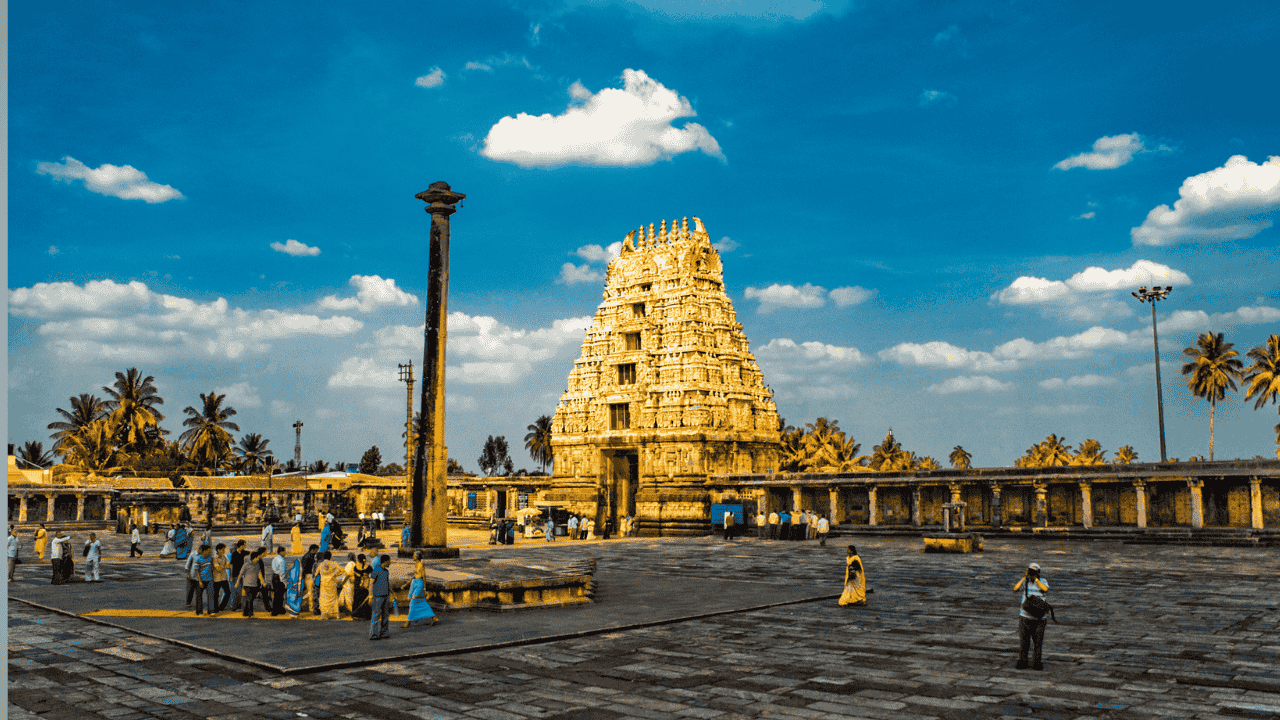
Located in Belur, Karnataka, the Chennakeshava Temple is a prominent 12th-century Vaishnava temple. Its construction was initiated by the Hoysala ruler Vishnuvardhana in 1117 CE on the banks of the Yagachi River. In 2023, along with the Hoysaleshwara Temple of Halebidu and the Keshava Temple of Somanathapura, it was included in the UNESCO World Heritage Site list under "Sacred Ensembles of the Hoysalas". This makes it an extremely important current affairs topic for UPSC and other competitive examinations.
Chennakeshava Temple: Location and Historical Background
Location: The temple is located in the town of Belur in the Hassan district of Karnataka, which served as the early capital of the Hoysala Empire.
Commission: It was commissioned by King Vishnuvardhana in 1117 CE for the worship of the "Keshava" form of Lord Vishnu. The name "Chenna + Keshava" translates to "Beautiful Keshava".
Construction Period: The construction spanned approximately three generations, taking about 103 years to complete, standing as a prime example of the long-term architectural projects of the Hoysala era.
Geography: It is situated roughly 35 km from Hassan and about 220 km from Bengaluru. Such travel/location-based details can be relevant for geography questions in the Prelims.
Architecture and Artistic Features
Architectural Style: The Chennakeshava Temple is considered one of the finest masterpieces of the Hoysala style, renowned for its intricate carvings and its stellate (star-shaped) plan.
Jagati (Platform): The temple is built on an elevated platform known as a jagati, which allows visitors to view the sculptures and friezes closely while circumambulating.
Exterior Walls: The outer walls feature multi-layered friezes intricately carved with elephants, horses, lions, floral creepers, and mythological tales, depicting the lifestyle, warfare, festivals, and religious beliefs of the 12th–13th centuries.
Open Stone Art Gallery: The sculptures on the temple pillars, bracket-figures (Madanikas), dancers, and musicians are crafted with such extreme precision that the temple is often referred to as an "Open Stone Art Gallery".
Later Additions: The enclosure wall, the grand gateway (Rajagopuram), and the perforated stone screens of the mandapa were added in later periods. While they enhanced security, they also cast the interior art in a semi-darkness, adding to its mystique.
Religious, Cultural, and Philosophical Significance
Main Deity: The principal deity is the Keshava form of Lord Vishnu, yet the temple's artworks reflect a broader Vedic and Puranic tradition.
Narrative Depictions: The walls and pillars offer glimpses of narratives from the Ramayana, Mahabharata, and the Puranas, alongside avatar stories, gods vs. demons (Dev-Asur) battles, and daily folk life.
Religious Syncretism: Despite being a major center of the Vaishnava tradition, sculptures of Shaiva, Shakta, and other Vedic-Puranic deities are also prominently featured. This highlights the syncretic and tolerant religious culture of medieval South India.
Living Heritage: The temple remains an active pilgrimage site today, with regular worship, festivals, and processions taking place, clearly illustrating the concept of a "Living Heritage".
'Sacred Ensembles of the Hoysalas': UNESCO World Heritage Status
In 2023, UNESCO inscribed three major Hoysala temples onto the World Heritage List under the title "Sacred Ensembles of the Hoysalas":
Chennakeshava Temple (Belur)
Hoysaleshwara Temple (Halebidu)
Keshava Temple (Somanathapura)
Built during the 12th–13th centuries, these temples are globally recognized for their unique stellate plans, circumambulatory paths, multi-layered friezes, and exceptionally detailed stone sculptures.
UNESCO granted them the status of "Outstanding Universal Value" (OUV) because they represent the development of a distinct Hoysala architectural style in South India, setting them apart from the art and architecture of contemporary dynasties. (For more information: UNESCO – Sacred Ensembles of the Hoysalas)
Important for UPSC: Key Facts at a Glance
Key Facts (Prelims Focus):
Location: Belur, Hassan District, Karnataka – situated on the banks of the Yagachi River.
Builder: Hoysala ruler Vishnuvardhana (commenced in 1117 CE).
Dedication: A Vaishnava temple dedicated to the Keshava/Chennakeshava form of Lord Vishnu.
Construction Period: Spanned over 3 generations, completed in approximately 103 years.
Architectural Style: Hoysala style – stellate sanctum, jagati (platform), circumambulatory path, multi-layered friezes, and highly intricate sculpture.
UNESCO List: Declared a World Heritage site in 2023 as part of the "Sacred Ensembles of the Hoysalas" (comprising Belur, Halebidu, and Somanathapura temples).
Related Syllabus Topics: Indian Art and Culture (GS I), Medieval Indian History, Heritage Conservation, Tourism, and Cultural Diplomacy.
Exam-Relevant Data for Prelims
River: On the banks of which river is the Chennakeshava Temple located? – Yagachi River.
Sites Included: The three sites under the "Sacred Ensembles of the Hoysalas" are:
Chennakeshava Temple, Belur (Karnataka)
Hoysaleshwara Temple, Halebidu (Karnataka)
Keshava Temple, Somanathapura (Karnataka)
Note: This group was added to India's UNESCO World Heritage list in 2023, increasing the total number of heritage sites in the country (List-based questions are crucial for GS-Prelims).
Key features of the Hoysala style for UPSC questions:
Stellate (star-shaped) sanctum and a similarly shaped circumambulatory platform (jagati).
Intricate miniature sculptures covering the entire exterior surface.
Depiction of religious texts, epics, and folktales presented as a thematic sculptural gallery.
Sculptures portraying the legend of "Sala slaying the tiger/lion" (the royal emblem of the Hoysala dynasty).
Analytical Angles for Mains
In the UPSC Mains examination, this topic can be explored from the following perspectives:
1. Art & Culture Perspective (GS I):
Analyze how the Hoysala architectural style created a new, distinct hybrid style by blending elements of the Chalukya, Dravidian, and Nagara styles.
Discuss how temples like Chennakeshava serve as examples of a "living cultural tradition"—where rituals, festivals, dance, and music continue uninterrupted to this day.
2. Heritage Conservation & Tourism (GS III / Essay):
The impact of receiving UNESCO status on the local economy, cultural tourism, employment generation, and India's "Soft Power".
The collective role of the Archaeological Survey of India (ASI), state governments, local communities, and international bodies (like UNESCO) in heritage conservation.
Related and Useful Resources on Atharva Examwise (Internal Links)
To seamlessly integrate your study of UPSC Current Affairs with Art and Culture, you can utilize the following resources on Atharva Examwise:
Daily Current Affairs & Daily GK Update: Daily UPSC-focused current affairs updates and MCQs are available in the Atharva Examwise – Current Affairs Section.
Examples of other current topics: Posts like "UPSC Current Affairs 16 February 2026: Bharat-VISTAAR AI Tool Launched – Daily GK Update" can help you understand how to convert daily news into exam-oriented notes.
Cross-linking these articles with topics like the Chennakeshava Temple and UNESCO World Heritage will strengthen both your static and current affairs preparation.
Why this matters for your exam preparation
Possibility of Direct MCQs in Prelims: UPSC frequently asks direct questions about newly added UNESCO World Heritage Sites. For instance—the list of temples included in the "Sacred Ensembles of the Hoysalas," their specific locations (state/district), associated rivers, builders, and their historical timeline (12th–13th centuries).
Enrichment Material for Mains and Essay: Details regarding the Hoysala style, the Chennakeshava Temple, and its UNESCO status can serve as excellent case studies and examples for questions on Indian Art and Culture, particularly for topics like "India's cultural heritage and soft power", "heritage tourism", and the "role of UNESCO".
Integrated Preparation (Static + Current): This topic perfectly bridges Art and Culture (static syllabus) with Current Affairs (UNESCO lists, heritage conservation policies)—an excellent example of the "inter-linked" preparation demanded by modern UPSC question papers.
Revision Strategy: Prepare a concise 1–2 page short note on the Chennakeshava Temple covering its "location, period, dynasty, unique architectural features, UNESCO status, and exam-relevant facts". Revise this repeatedly alongside Atharva Examwise's daily current affairs PDFs/notes to ensure you are fully exam-ready for both Prelims and Mains.