UPSC Current Affairs 27 February 2026: Agradeep Gopinath Mela – Bengal's Unique Holi Festival
Introduction: Today's Daily GK Update
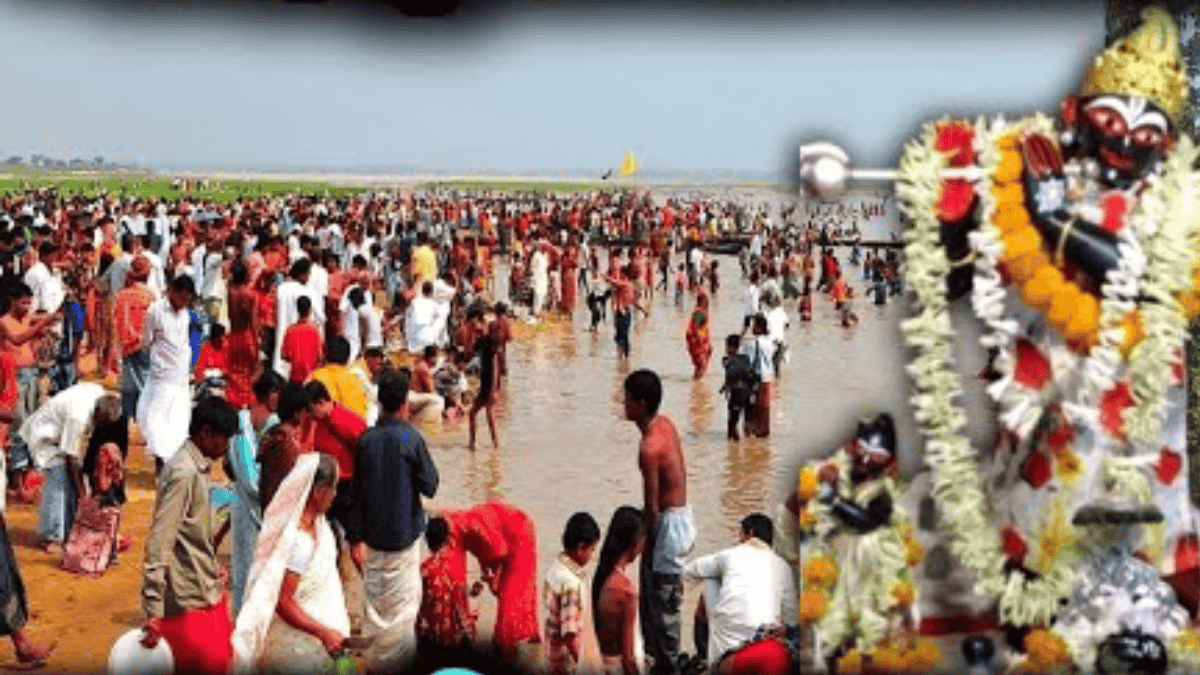
The Gopinath Mela, held in the Agradeep village of the Purba Bardhaman district in West Bengal, is a significant religious, cultural, and folk festival organized around Dol Purnima/Holi. This fair is a unique confluence of the Vaishnava Bhakti tradition, rural Bengal's folk culture, and community life, making it highly relevant for the Art & Culture and Current Affairs sections of UPSC, State PCS, and other competitive exams.
Agradeep and Gopinath Temple: Location & Background
Agradeep is an ancient village situated on the banks of the Bhagirathi River (a distributary of the Ganga), administratively falling under the Purba Bardhaman district.
The Sri Radha Gopinath Jiu Temple located here is associated with the Vaishnava tradition. According to local beliefs, it is connected to Chaitanya Mahaprabhu and his devotee, Govinda Ghosh.
According to research and folklore, Chaitanya Mahaprabhu visited this region in the 16th century, establishing it as an important center of the Vaishnava Bhakti movement.
Gopinath Mela: Timing and Religious Significance
This fair is organized around Dol Purnima (Dol Jatra) in the month of Phalguna/Chaitra, which is a major festival associated with Holi in Bengal and Eastern India.
In the Vaishnava tradition, Dol Purnima is linked to the divine play (Leela) of Sri Krishna-Radha and the appearance day of Chaitanya Mahaprabhu (Gaura Purnima), making this date highly sacred.
The Gopinath Mela in Agradeep lasts for several days; during this time, worship, kirtan, bhajan, and special rituals take place, drawing devotees from far and wide.
Unique Tradition: "Shraddha by the Deity"
The most distinct feature of the Gopinath Mela is that Lord Gopinath himself performs the Shraddha (Pind Daan—a Hindu ritual for the deceased) of his devotee Govinda Ghosh. Many sources refer to this as the "world's unique Shraddha Mela."
According to tradition, the Gopinath Mela begins with the "Chire Mahotsav/Chire Mela" on the Ekadashi of the Krishna Paksha following Dol Purnima.
On this day, the idol of Gopinath is taken in a procession from the main temple to the Samadhi temple of Govinda Ghosh, where the deity performs the Shraddha and Pind Daan for his human devotee-father.
This tradition highlights the "bond of love between the devotee and the divine" in the Bhakti tradition, where the Lord himself fulfills filial duties toward his devotee. This serves as a beautiful example when writing about the Bhakti Movement or Vaishnavism in UPSC Mains.
Mela: Day-wise Main Rituals
According to various local and research sources, the Gopinath Mela usually spans four days:
First Day – Chire Mahotsav and Shraddha: Held on Krishna Paksha Ekadashi after Dol Purnima. The Gopinath idol is brought to Govinda Ghosh's Samadhi for the Shraddha, Pind Daan, and the festival of Chire (flattened rice/poha).
Second Day – Anna Mahotsav (Bhandara): Organization of a mass feast (Annadaan), where villagers and pilgrims partake in the Prasad together.
Third Day – Ganga/Bhagirathi Snan: Devotees bathe in the Bhagirathi River for spiritual merit; this is also locally associated with the Baruni Snan tradition.
Fourth Day – Gopinath's Dol Jatra: The festival concludes with the Dol (swing) procession of Gopinath, accompanied by kirtan, bhajan, and the smearing of colors (gulal).
Folk Culture, Handicrafts, and Rural Economy
The Gopinath Mela is not just a religious event but a vibrant platform for rural Bengal's folk culture, featuring traditional folk songs, kirtan, plays, and dances.
The fair hosts the sale of pottery, toys, folk paintings, and notably the famous wooden dolls of the Katwa region crafted by local artisans, which enjoy high demand in rural areas.
Temporary shops, food stalls, and the sale of handicrafts provide crucial support to the local economy. Reports suggest that the influx of hundreds of thousands of people transforms the surrounding area into a massive fairground spanning several kilometers.
Religious-Spiritual Significance and Connection with Vaishnavism
Agradeep and the Gopinath temple are connected to the Gaudiya Vaishnava tradition of the Nabadwip-Nadia region, where Chaitanya Mahaprabhu's Bhakti movement popularized bhajan-kirtan and Harinam Sankirtan.
Dol Purnima is highly significant for Vaishnavas, as it commemorates both the Raas Leela of Radha-Krishna and the incarnation of Chaitanya Mahaprabhu (Gaura Purnima). It is a major Krishna-devotion festival across Eastern India, including Bengal, Odisha, and Assam.
The kirtan, Harinam Sankirtan, bhajan, and night-long vigils at the Gopinath Mela carry forward the Bhakti tradition, which considers emotion, song, and collective remembrance as the primary mediums of spiritual practice.
Key Facts for UPSC & Other Exams
Location & Geographical Aspects:
State: West Bengal
District: Purba Bardhaman
River: Banks of the Bhagirathi/Ganga (the village developed along these banks)
Nearest Railway Line: Howrah-Katwa line, Agradeep Station (situated in a rural setting)
Surrounding Cultural Zone: Culturally connected to the Vaishnava stream of Nadia-Nabadwip-Mayapur.
Religious & Cultural Aspects:
Primary Deity: Sri Radha Gopinath Jiu (a form of Krishna)
Primary Devotee Connection: Traditions linked to Govinda Ghosh (an associate kirtaneer of Chaitanya Mahaprabhu).
Main Date: Around Dol Purnima (Phalguna Purnima), specifically starting from Krishna Paksha Ekadashi post-Dol.
Unique Tradition: Shraddha/Pind Daan of the devotee by the deity (a folk tradition considered globally unique).
Folk Life & Economy:
Rural Fair: A large portion of the visitors are devotees from rural and low-income backgrounds.
Economic Impact: Provides temporary but vital income to local shopkeepers, artisans, and small traders.
Folk Art: Display and sale of wooden toys, clay crafts, local cuisine, folk music, and dance.
Potential Prelims MCQ Points
Example 1: The Agradeep Gopinath Mela is associated with which state? (a) Odisha (b) West Bengal (c) Bihar (d) Assam Correct Answer: (b) West Bengal
Example 2: The Agradeep Gopinath Mela is primarily associated with which date/festival? (a) Akshaya Tritiya (b) Makar Sankranti (c) Dol Purnima/Holi (d) Kartik Purnima Correct Answer: (c) Dol Purnima/Holi
Example 3: Which of the following statements is/are correct?
The Agradeep Gopinath Mela features a tradition where Lord Gopinath performs the Shraddha of his devotee Govinda Ghosh.
This fair is held for only one day and has no connection to the Vaishnava tradition. Select the correct option using the codes given below: (a) 1 only (b) 2 only (c) Both 1 and 2 (d) Neither 1 nor 2 Correct Answer: (a) 1 only
Potential Mains Answer Writing Angles
For a descriptive question in UPSC Mains GS-I (Indian Culture) or State PCS, an answer can be developed from the following angles:
Bhakti Movement and Regional Vaishnavism: How the traditions of Chaitanya Mahaprabhu's follower Govinda Ghosh and the Agradeep region reflect the socio-cultural impact of the Bhakti movement.
Folk Culture and Community Life: How rural fairs strengthen social cohesion, shared faith, and the local economy—using the Agradeep Gopinath Mela as a case study.
Festivals as Living Heritage: Festivals like Dol Purnima, Gaura Purnima, and the Gopinath Mela are prime examples of India's "Living Traditions," which can enrich answers in UPSC GS-I under Indian culture, art forms, and festivals.
Tip: You can structure your answers by using bullet points to mention the region, river, date, deity, specific rituals, and economic impact.
Why this matters for your exam preparation
Art & Culture + Current Affairs Link: The trend in UPSC and other exams shows that the commission often asks questions linking contemporary events (like a fair/festival in the news) to Indian culture, the Bhakti movement, or regional traditions. The Agradeep Gopinath Mela is a strong example of this.
Fact-based questions for Prelims: Direct factual MCQs can be framed on the state, district, river, main deity, date (Dol Purnima - Krishna Paksha Ekadashi), special rituals (Shraddha by the deity), and folk art—especially for UPSC Prelims, MPPSC, WBCS, BPSC, SSC CGL, Banking, and other exams.
Example-rich answers for Mains: In GS-I (Indian Culture, Salient Features of Indian Society) and the Essay Paper, when writing about the Bhakti movement, folk culture, rural fairs, social cohesion, and syncretic traditions, you can mention the Agradeep Gopinath Mela as a case study/illustration to make your answer more specific and memorable.
Discussion in Interview/Personality Test: If your optional subject or area of interest is related to Indian culture, history, or religion/society, knowledge of such lesser-known but rich folk festivals can project you as "well-read" and "grounded in Indian culture."
Therefore, do not treat this topic merely as general religious news; include it in your notes as brief bullet points and review it periodically during your Daily Current Affairs Revision.