
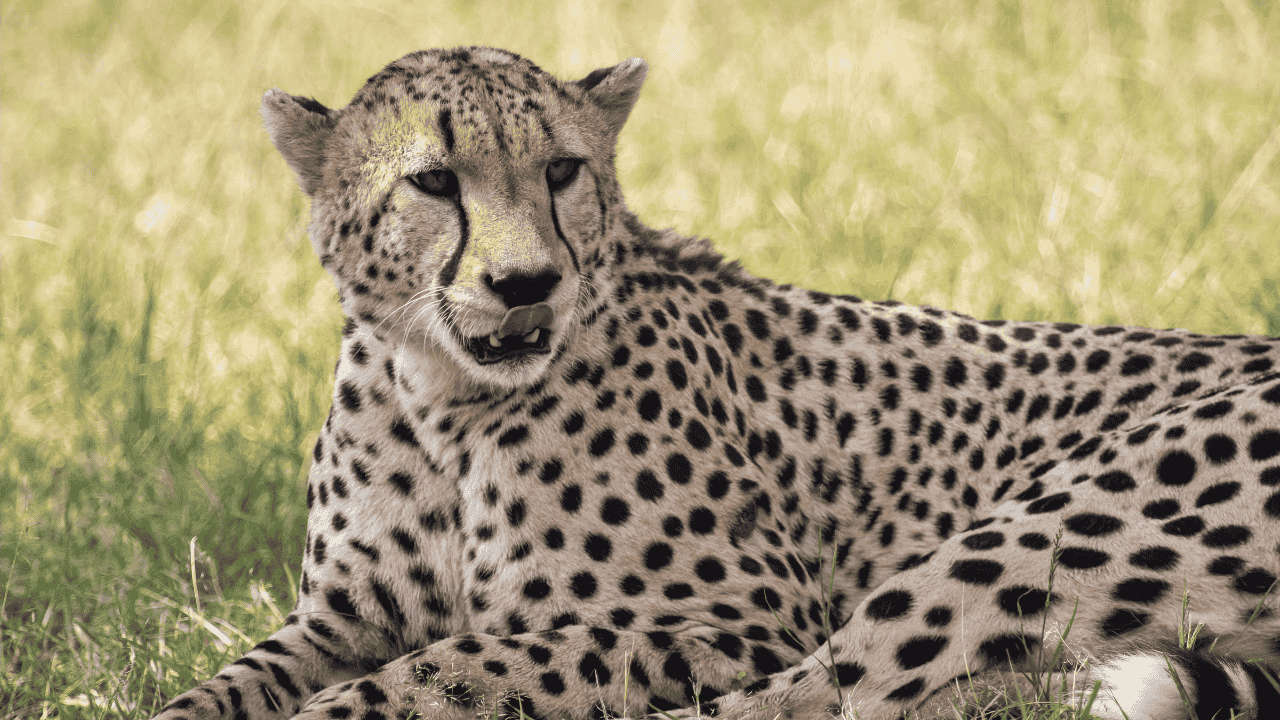
International Cheetah Day 2024: Conservation, Extinction Crisis, and UPSC Relevance
Introduction: Africa's Speed Demons Face Extinction
International Cheetah Day, observed on December 4, celebrates one of nature's most magnificent creations—the cheetah. However, beneath the celebration lies a sobering reality: cheetahs are the most endangered big cats in Africa, with their population declining by 50% over the last four decades. As of 2020, only approximately 7,100 cheetahs remain in the wild. This annual observance serves not merely as a tribute to these sleek, slender creatures but as a critical reminder of humanity's responsibility toward wildlife conservation.
For UPSC and competitive exam aspirants, International Cheetah Day connects to broader themes of environmental conservation, wildlife management, global biodiversity, and international cooperation—all significant topics in the general studies syllabus.
The History of International Cheetah Day: From Khayam to Global Movement
The Birth of a Conservation Legacy
The story of International Cheetah Day begins with an extraordinary woman and an even more extraordinary cheetah. In 1977, American zoologist Dr. Laurie Marker undertook a groundbreaking experiment in Namibia. She brought Khayam, a cheetah she had raised from a cub at Wildlife Safari in Oregon, to test whether captive-bred cheetahs could survive and hunt independently in the wild.
The experiment succeeded beyond expectations. However, during her time in Namibia, Dr. Marker witnessed a critical threat to cheetah survival: human-wildlife conflict. Namibian livestock farmers were aggressively eliminating cheetahs, viewing them as predators threatening their herds. This observation catalyzed her lifelong mission.
The Cheetah Conservation Fund: A Turning Point
Determined to bridge the gap between farmers and cheetahs, Dr. Marker established the Cheetah Conservation Fund (CCF) in 1991. Her strategy was innovative and pragmatic—rather than imposing conservation mandates, she educated local communities about wildlife preservation and negotiated sustainable coexistence. This bottom-up approach became a model for modern wildlife management.
To honor her beloved Khayam, Dr. Marker designated December 4—Khayam's birthday—as International Cheetah Day. Since 2010, the world has recognized this day to promote cheetah conservation and raise global awareness about their survival crisis.
The Cheetah Extinction Crisis: By the Numbers
Alarming Population Decline
Key Facts for Exam Preparation:
Current wild population (2020): Approximately 7,100 cheetahs
Population decline: 50% reduction in the last 40 years (1980–2020)
Historical range: Once distributed across Africa, Asia (minor populations), and the Middle East
Current range: Predominantly sub-Saharan Africa, with small populations in Iran and southern Asia
Primary threats: Habitat loss, hunting for fur, human-wildlife conflict, prey depletion
Why Cheetahs Are Disappearing
1. Habitat Loss and Fragmentation
Rapid human settlement expansion, agricultural development, and industrial projects have destroyed vast cheetah habitats. Unlike other big cats, cheetahs require large, uninterrupted territories for hunting their preferred prey—small antelopes and gazelles.
2. Illegal Hunting and Fur Trade
Historically, cheetahs have been hunted extensively for their distinctive spotted fur. While international trade bans exist (CITES Appendix I), poaching continues in regions with weak enforcement.
3. Human-Wildlife Conflict
Livestock farmers perceive cheetahs as threats to their herds. In response, they employ predator control measures, often with tragic results for cheetah populations. This conflict reflects deeper tensions between conservation and rural livelihoods.
4. Prey Depletion
As habitats shrink and human hunting increases, cheetahs lose access to their primary food sources. Starvation and malnutrition weaken populations and reduce reproductive success.
5. Genetic Vulnerability
Cheetahs possess exceptionally low genetic diversity due to historical population bottlenecks. This makes them susceptible to disease and less adaptable to environmental changes.
Global Conservation Efforts
The Cheetah Conservation Fund's Model
The CCF operates across multiple African countries, employing evidence-based strategies:
Livestock Guardian Programs: Providing farmers with trained dogs and protective infrastructure to reduce predation losses
Education Initiatives: Teaching communities about cheetah biology and ecological importance
Habitat Protection: Working with governments to establish protected areas and wildlife corridors
Research: Conducting ongoing studies on cheetah ecology, genetics, and behavior
International Cooperation and Policy
CITES (Convention on International Trade in Endangered Species):
Cheetahs are listed under CITES Appendix I, prohibiting international commercial trade. This designation demonstrates global commitment but highlights ongoing enforcement challenges.
African Union and National Governments:
Multiple African countries have established national cheetah conservation plans. Cross-border cooperation initiatives recognize that cheetahs do not respect political boundaries.
NGO Involvement:
Beyond the CCF, organizations like the World Wildlife Fund (WWF) and African Wildlife Foundation work toward cheetah preservation and habitat restoration.
How to Observe International Cheetah Day
Meaningful Ways to Participate
1. Support Conservation Organizations
Donate to the Cheetah Conservation Fund or other credible wildlife conservation bodies. Your contribution directly funds on-ground conservation efforts, community education, and research.
2. Become a Cheetah Ambassador
Educate your family, friends, and social networks about cheetahs and wildlife conservation. Use your platform—whether social media, classroom, or community gatherings—to raise awareness about extinction threats.
3. Advocate for Policy Change
Support policies that protect wildlife habitats, strengthen CITES enforcement, and promote sustainable livelihoods for rural communities dependent on livestock.
4. Experience Wildlife Responsibly
Participate in ethical wildlife tourism or visit accredited wildlife sanctuaries and conservation centers. Responsible tourism funds conservation and creates local economic incentives for protection.
5. Reduce Your Ecological Footprint
Support sustainable agriculture, reduce plastic consumption, and advocate for climate action—all critical for habitat preservation.
Why International Cheetah Day Matters
A Symbol of Global Biodiversity Crisis
The cheetah's plight mirrors broader threats facing wildlife worldwide. Their extinction would represent not just the loss of an iconic species but a failure of global conservation systems.
A Testament to Human Agency
Dr. Laurie Marker's journey demonstrates that individual conviction, combined with community engagement and scientific rigor, can drive meaningful conservation outcomes. Her work transformed hostile farmer-cheetah relations into partnerships—proving that conservation and rural livelihoods need not be mutually exclusive.
An Urgent Call to Action
With only 7,100 cheetahs remaining, the window for effective intervention narrows. International Cheetah Day reminds us that extinction is preventable through concerted effort, political will, and resource commitment.
Why This Matters for Your Exam Preparation
International Cheetah Day and the cheetah conservation narrative address multiple dimensions of the UPSC General Studies syllabus:
General Studies Paper I: Environment and Wildlife
Wildlife conservation strategies: The CCF model exemplifies community-based conservation, contrasting with top-down approaches
Endangered species: Cheetahs appear frequently in UPSC questions about endangered species in Africa and Asia
Habitat fragmentation: Understanding how urbanization fragments ecosystems is a recurring theme
CITES and international conventions: Knowing which animals are listed under which appendix strengthens international relations knowledge
General Studies Paper II: Governance and Social Issues
Human-wildlife conflict: A critical governance challenge in rural development
Balancing conservation with livelihoods: The ethical tension between environmental protection and farmer interests
International cooperation: Cross-border wildlife management exemplifies multilateral governance
General Studies Paper III: Economy and Sustainable Development
Sustainable tourism: Wildlife tourism as an economic tool for conservation
Biodiversity as natural capital: Understanding ecosystem services and their economic value
Climate change and habitat loss: Connections between environmental degradation and species extinction
Current Affairs and Mains Writing
Essay potential: "Conservation and Development: Can They Coexist?" or "The Role of Individual Initiative in Environmental Governance"
Prelims MCQs: Expect questions on cheetah population statistics, CCF's founding year, or Dr. Marker's work
Interview questions: Examiners appreciate candidates who discuss specific conservation case studies
Key Takeaways for Aspirants
Know the numbers: 7,100 cheetahs remaining, 50% decline in 40 years—these statistics appear in UPSC questions
Understand the conflict: Human-wildlife conflict is not merely a wildlife issue but a governance and development challenge
Learn the solutions: Community engagement, incentive alignment, and education are modern conservation approaches
Connect globally: Recognize how international conventions like CITES support national conservation efforts
Think systemically: Cheetah extinction reflects interconnected problems—habitat loss, climate change, economic inequality, and enforcement gaps
Related Topics to Study
Big Cat Conservation: Compare cheetah conservation with tiger, lion, and leopard conservation strategies across Africa and Asia
Protected Areas: Study India's Project Tiger and Africa's national parks
International Environmental Law: CITES, Ramsar Convention, CBD (Convention on Biological Diversity)
Sustainable Development Goal 15: Life on Land—directly relevant to cheetah and broader wildlife conservation
India's Wildlife Policy: UPSC often draws comparisons between global and Indian conservation models
Conclusion: The Cheetah as a Global Responsibility
International Cheetah Day transcends celebration—it is a clarion call for action. The cheetah's story encompasses science, ethics, economics, and governance. For UPSC aspirants, understanding this narrative equips you not just with current affairs knowledge but with a systems-thinking approach to environmental challenges.
The work of Dr. Laurie Marker reminds us that conservation is not the domain of governments and NGOs alone. It requires informed citizens, policymakers willing to innovate, and communities recognizing their stake in nature's preservation. As you prepare for competitive exams, remember: the most impactful policy solutions emerge when aspirants like you translate knowledge into informed citizenship and advocacy.
About Atharva Examwise: Atharva Examwise is your dedicated partner in UPSC and competitive exam preparation. Our comprehensive current affairs coverage ensures you never miss exam-relevant developments. Explore our platform for daily GK updates, in-depth analysis, and expert guidance tailored to your exam journey.